
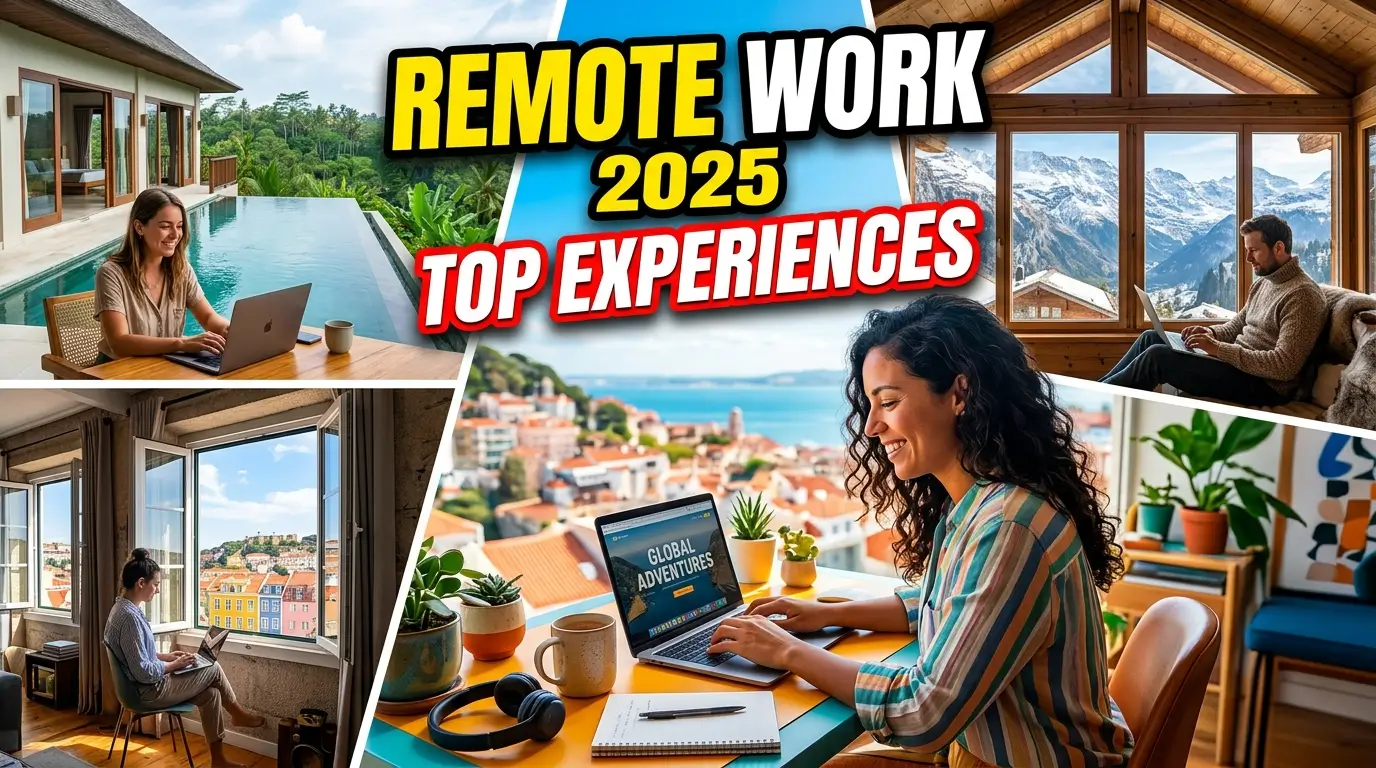
The top rated travel experiences for remote workers are not the ones that look best on Instagram, they are the ones where you actually got your work done, felt genuinely rested, and came home remembering the trip rather than the Wi-Fi password. I have worked remotely from fourteen countries at this point, and the experiences that stayed with me were never about the backdrop alone. They were about the whole setup, the rhythm, the food, the community, and yes, the internet speed.
1. Staying in a Ryokan While Working From Kyoto, Japan
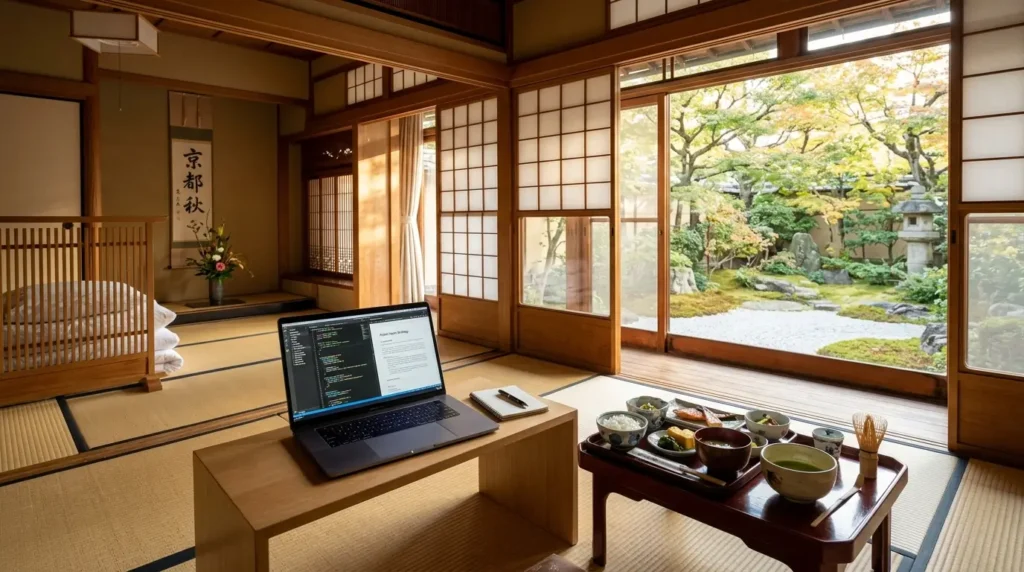
Nothing recalibrated my relationship with work quite like spending two weeks in a traditional Japanese ryokan in Kyoto’s Higashiyama district. The tatami floors, the morning kaiseki breakfast served in your room, the meditative quiet of a building that has been standing for over a century, all of it creates an environment where focus comes naturally rather than requiring effort.
Kyoto has excellent fiber internet across most accommodation and co-working spaces. Mtrl Kyoto in the city center offers day passes with fast connections and a beautifully designed workspace. The Fushimi Inari torii gates at 6 a.m. before work, a matcha ceremony in the afternoon, and ramen in Pontocho alley after closing your laptop make a single weekday feel like something you actually lived rather than survived.
The timezone works well for remote workers with European clients. For those working U.S. hours, evenings become productive and mornings open up completely, which means sunrise walks through bamboo groves become a legitimate part of your routine.
2. Living in a Coliving Space in Medellín, Colombia
Medellín has matured from a trendy nomad destination into a genuinely functional remote work city, and the coliving scene here is one of the best developed in Latin America. Selina Medellín in El Poblado puts you inside a community of other remote workers with co-working space, social events, and reliable fast internet all under one roof.
What makes this experience different from simply booking a hotel is the sense of structure it provides. You wake up, make coffee in a shared kitchen, sit down in a real workspace with standing desks and proper monitors, take a lunch break at a local arepa spot for $2, and actually feel like you have a functioning workday. That rhythm is genuinely hard to replicate from a laptop on a hostel bed.
Evening activities organized by Selina and the surrounding El Poblado neighborhood fill naturally. Salsa classes on Tuesday, rooftop gatherings on Thursday, day trips to Guatapé on weekends. Medellín’s eternal spring climate, around 75°F year-round, means you never lose a day to weather. The Metro Cable up to the hillside communes gives you one of the most perspective-shifting views in South America and costs about 90 cents.
3. A Liveaboard Sailing Trip Through Croatia
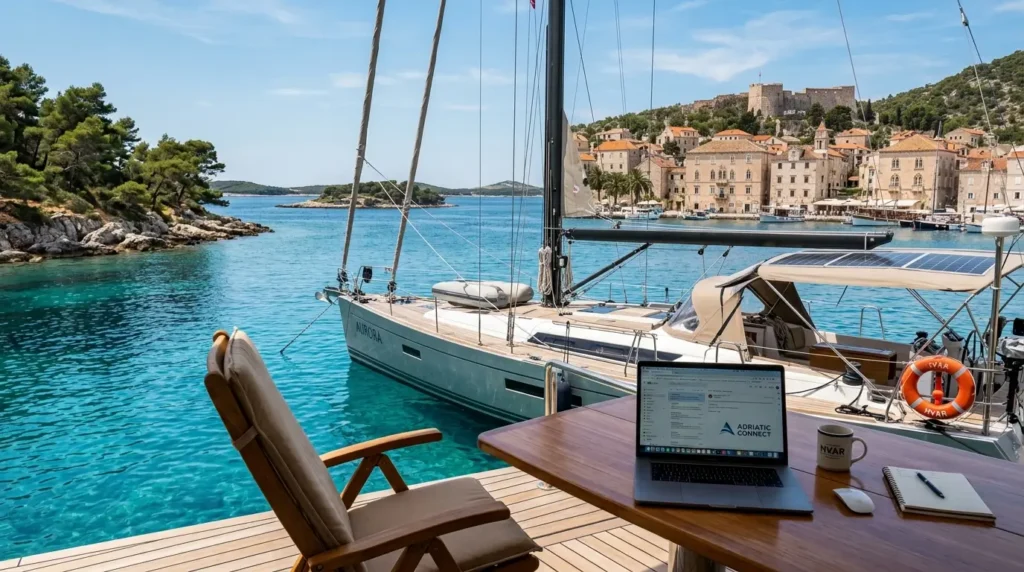
This one sounds reckless for a remote worker, and in the wrong setup it absolutely would be. But Croatia’s coastal islands have improved their connectivity dramatically in recent years, and a handful of specialized sailing companies now offer remote work liveaboard experiences with satellite internet, solar power, and scheduled work hours built into the itinerary.
Remote Year and smaller operators like Workfrom Sail run structured trips where mornings are dedicated work time and afternoons are spent anchored in bays around the Dalmatian coast. You work with the Adriatic outside your cabin window, then swim off the back of the boat at 3 p.m. like it is a completely normal thing to do on a Wednesday.
Island stops typically include Hvar, Korčula, Vis, and Brač, each with distinct character, good local wine, and restaurants serving fresh-caught fish for prices that feel almost disrespectful given the quality. Split and Dubrovnik bookend the experience with genuine world-class history. The trade-off is that satellite internet has unpredictable moments, so this works best for asynchronous workers rather than those with back-to-back video calls.
4. Working From a Coffee Farm Stay in Chiang Rai, Thailand
Most remote workers end up in Chiang Mai and never make it two hours further north to Chiang Rai, which is exactly why Chiang Rai feels like the better experience. The White Temple, Wat Rong Suea Ten, the Blue Temple, and the Golden Triangle where Thailand meets Laos and Myanmar all sit within easy reach of a town that moves at a genuinely restful pace.
Several boutique guesthouses and farm stays outside the town center offer strong Wi-Fi, private working spaces, and surroundings that swap the digital nomad crowd for rice fields and hill tribe villages. The Legend Chiang Rai sits along the Kok River with beautiful grounds, reliable internet, and a restaurant serving Northern Thai food that makes every lunch break feel like a reward.
Working from a place this quiet forces a kind of focus that busy co-working spaces in bigger cities never quite manage. Without the ambient noise of other people’s productivity performances, you end up doing more real work in fewer hours. The tuk-tuk ride to the night market for dinner costs about 50 cents and takes five minutes.
5. A Workcation at a Boutique Hotel in Lisbon, Portugal
Lisbon keeps appearing on remote work lists for good reason, and after spending three separate extended stays here, I understand why it holds the top position so consistently. The combination of affordable mid-range accommodation, exceptional coffee culture, fast and widespread internet, a gorgeous walkable city, and a timezone that overlaps with both the U.S. East Coast and most of Europe makes it almost unfairly convenient.
Staying in a boutique hotel in the Príncipe Real neighborhood specifically changes the experience from functional to genuinely enjoyable. The neighborhood has a quieter, more residential feel than Baixa or Alfama, with independent bookshops, wine bars, and garden terraces that make the spaces between work feel like actual leisure rather than killing time.
Fábrica Coffee Roasters and Copenhagen Coffee Lab both serve extraordinary espresso and have comfortable seating with reliable Wi-Fi. LX Factory co-working spaces across the bridge in Almada run $10 to $15 per day. Evening meals in Príncipe Real run $8 to $15 per person at genuinely excellent restaurants. The tram 28 route through the historic hills costs €3 and takes you through a living postcard.
6. A Slow Month in a Restored Village House in Puglia, Italy
Southern Italy does not market itself aggressively to remote workers, and that restraint is part of what makes it work so well. Puglia, the heel of Italy’s boot, is a region of whitewashed trulli houses, olive groves, baroque towns, and seafood that makes you briefly angry about every other meal you have eaten in your life.
Platforms like Airbnb and Plum Guide list restored farmhouses and village houses across the Valle d’Itria, often with private pools, outdoor working terraces, and fiber internet installed for exactly this kind of extended stay. Prices in shoulder season, May or October, run $70 to $130 per night for a private house, which is extraordinary value for what you get.
Alberobello, Locorotondo, Polignano a Mare, and Ostuni are all within 30 to 45 minutes of each other, giving you a different afternoon destination every day of the week without covering the same ground twice. The local food markets provide fresh burrata, vegetables, and bread that make working from a kitchen table feel like a genuine lifestyle upgrade.
The trade-off is that driving is necessary in rural Puglia, so renting a car adds cost and planning. But the freedom it gives you more than compensates. This is one of the top rated travel experiences for remote workers who want depth over efficiency.
7. A Surf and Work Camp in Taghazout, Morocco
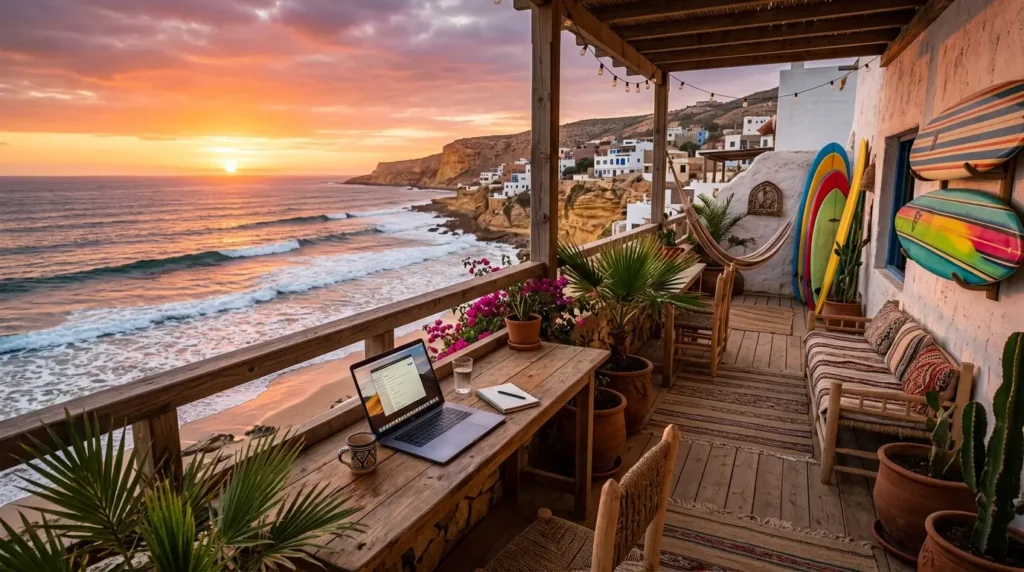
Taghazout is a small fishing village turned surf hub on Morocco’s Atlantic coast, about 20 kilometers north of Agadir, and it has quietly become one of the most interesting remote work destinations in Africa. The surf camps that have set up here over the past decade increasingly cater to working travelers, with morning surf lessons or sessions followed by structured afternoon work time and communal evening meals.
Surf Maroc and Tamraght Surf House both offer packages that include accommodation, surf coaching, daily yoga, and Wi-Fi that holds up reasonably well for standard remote work needs. Prices run $50 to $90 per day all-inclusive, which is genuinely competitive for what is effectively a full lifestyle package.
The combination of physical activity in the morning, focused work in the afternoon, and communal eating in the evening creates a daily rhythm that many remote workers spend years trying to build at home and never quite achieve. Surfing rewires your nervous system in a way that makes afternoon focus feel effortless.
Marrakech is a three-hour drive away for a weekend cultural injection. The Atlantic sunsets from Taghazout’s clifftop tea houses are extraordinary. Argan oil purchased directly from local cooperatives costs a fraction of European retail prices and makes an excellent practical souvenir.
8. Working From a Heritage Hotel in Tbilisi, Georgia
Georgia has been running its Remotely from Georgia visa program since 2020, and Tbilisi has become one of the most talked-about remote work cities in the world as a result. But beyond the visa convenience, Tbilisi offers something rarer: genuine character. The city is beautiful in a slightly weathered, unpolished way that feels authentic rather than curated for tourist consumption.
Heritage hotels in the Old Town neighborhood sit inside restored 19th-century buildings with exposed stone, wooden balconies, and interior courtyards that feel like sets from a film nobody has made yet. Prices for genuinely beautiful accommodation run $40 to $80 per night, which is extraordinary for this level of architectural beauty.
Fabrika remains the best co-working and social hub in the city, a converted Soviet sewing factory with outdoor seating, craft beer, multiple restaurants, and a creative community that draws both locals and international remote workers. Day passes run about $8. Weekends offer easy access to the wine region of Kakheti, the cave city of Vardzia, or the mountain resort town of Stepantsminda, each a completely different Georgia from the one you see on weekdays.
The food is extraordinary and unavoidable. Khinkali dumplings, khachapuri cheese bread, mtsvadi grilled meat, and natural wine from qvevri clay vessels cost almost nothing at local restaurants and taste like they should cost significantly more.
9. A Digital Nomad Retreat in the Azores, Portugal
The Azores archipelago sits in the middle of the Atlantic Ocean and belongs to Portugal, which means EU infrastructure and connectivity without mainland Europe’s crowds or costs. São Miguel, the largest island, has become a quiet but growing destination for remote workers who want dramatic volcanic landscapes, hot springs, whale watching, and a cost of living that feels almost too good to verify.
Remote work retreats run by operators like Boundless Life and Remote Year have used the Azores as a base for extended programs that combine schooling for children, community building, and professional productivity. But individual remote workers do equally well booking a guesthouse or apartment in Ponta Delgada, the island’s main town, and working independently.
Internet quality across São Miguel has improved significantly in recent years, with fiber available in most urban accommodation. The island’s main tourist experiences, Sete Cidades twin lakes, Furnas geothermal valley, Lagoa do Fogo, and whale watching tours, all feel genuinely wild and uncrowded compared to mainland Portugal’s increasingly saturated tourist circuit.
The thermal pools at Poça da Dona Beija cost $6 to enter and stay open until midnight, which makes a Tuesday evening soak in volcanic hot spring water feel like a completely reasonable end to a workday.
10. A Month-Long Stay in Hoi An, Vietnam
Hoi An is one of those places that grabs remote workers and simply refuses to let them leave on their original schedule. The ancient town, a UNESCO World Heritage Site of beautifully preserved trading port architecture, has developed a thriving café and co-working scene that manages to feel local rather than imported.
Espresso Station and The Espresso Station Hoi An roast their own beans, have solid Wi-Fi, and attract a mix of locals and international workers who treat the space with the kind of quiet respect that makes shared work environments actually functional. Accommodation in Hoi An runs $15 to $40 per night for private rooms in well-reviewed guesthouses with pools.
A month here costs a remarkable fraction of what a month in any European city would cost. A full day of food, transport, and coffee runs $10 to $15. A tailored suit or dress made by one of the town’s hundreds of skilled tailors costs $50 to $150 and takes 24 to 48 hours. The cycling routes through rice paddies and fishing villages around the town give you an hour of genuine decompression that no gym or meditation app can replicate.
Beach access at An Bang, 15 minutes by bicycle, means a post-work swim is entirely realistic on any given afternoon.
11. A Writer’s Retreat Setup in the Scottish Highlands
Scotland does not immediately come to mind for most remote workers, and that oversight creates a significant opportunity. The Scottish Highlands offer some of the most dramatic landscapes in Europe, an increasingly strong rural broadband rollout through the R100 program, and a pace of life that forces creative reset in a way that no busy nomad hub can match.
Self-catering cottages through Sykes Cottages or Rural Retreats sit beside lochs, on hillsides, or within walking distance of ancient castles. Prices run $80 to $150 per night but drop significantly for week-long bookings. Many properties now specifically advertise fast fiber as a feature rather than an afterthought.
Inverness works as a practical base with good supermarket access and a small but functional co-working scene. From there, Glencoe, Loch Ness, the Isle of Skye, and the North Coast 500 driving route all sit within reach for weekend exploration. The moody weather that puts some travelers off is exactly what makes the Highlands feel atmospheric enough to do something with, whether that is writing, designing, or simply thinking more clearly than you have in months.
How to Choose the Right Remote Work Travel Experience for You
The best setup is the one that matches your actual work requirements, not the one that photographs well. Ask yourself honestly before booking:
- How many video calls do you have per week and how stable does your connection need to be
- Do you work better in community or in solitude
- What time zone are most of your clients or colleagues in
- How much of your enjoyment depends on physical activity, culture, food, or nature
- Are you willing to drive, or do you need public transit
Slow travel, staying somewhere for a month rather than a week, consistently produces better remote work experiences than short bursts across multiple cities. The first few days anywhere are always slightly chaotic. The real rhythm starts around day five or six, and that is where the best memories come from.
Tools worth having before any remote work trip:
- Airalo eSIM for backup data across most countries
- Krisp for background noise on calls
- Notion for async team communication
- Wise card for fee-free international spending
- Speedtest app to check actual connection quality before committing to a workspace
Frequently Asked Questions
What makes a travel experience top rated for remote workers specifically?
The combination of reliable internet, a comfortable and ergonomic working environment, enough cultural or natural stimulation to genuinely recharge outside work hours, and a cost of living that does not cancel out the financial benefit of remote work in the first place. Any destination that delivers all four consistently earns its reputation.
How do remote workers handle taxes when traveling internationally?
Tax rules vary significantly depending on your home country, how long you stay in each destination, and whether you are employed or self-employed. Most countries apply tax residency rules based on how many days per year you spend within their borders. A tax advisor who specializes in location-independent workers is worth consulting before any trip longer than 90 days.
Is coliving worth it for remote workers or is it better to rent independently?
Coliving works best for solo workers who benefit from built-in community and structured environments. Independent rentals work better for couples, those who need quiet focus, or workers who already have a strong social network in their destination. The cost difference is often smaller than expected once you factor utilities, cleaning, and co-working fees into an independent rental.
Which of these top rated travel experiences for remote workers works best for people with client calls all day?
Lisbon, Tokyo, Tbilisi, and Medellín all offer the most consistently reliable internet for high-call-volume remote workers. The liveaboard Croatia experience and the Scottish Highlands cottage setup are better suited to asynchronous workers or those with lighter synchronous requirements. Always test your connection before a critical call day regardless of where you are.
How long should a remote work travel experience last to feel genuinely worthwhile?
Three to four weeks is the sweet spot for most remote workers. It gives you enough time to settle into a productive rhythm, explore meaningfully on weekends, and actually feel the difference in your stress levels before heading home. Anything under two weeks often feels like the trip is over just as it starts to make sense.
Conclusion
The best remote work travel experiences are not about proving you can work from anywhere. They are about finding places that make both the work and the life around it genuinely better than what you had at home. A few of these destinations might surprise you with how much they deliver on both. Which one is already tempting you into opening a new browser tab?