
Budget-friendly trip itineraries for anxious travelers rarely exist in the way they should, because most travel content is written by people who find airports energizing and spontaneity thrilling. I am not one of those people. I have sat in airport bathrooms doing breathing exercises, canceled trips the night before because the uncertainty felt unbearable, and spent beautiful afternoons in foreign cities too wound up to enjoy them. What changed everything was not medication or mindset shifts alone. It was better planning.
1. Lisbon, Portugal: 6 Days of Gentle Pace and Zero Pressure
Lisbon is the first destination I recommend to anxious travelers because it earns trust quickly. The city is compact, walkable, and forgiving in the way that matters most when your nervous system is already working overtime. Nothing is dramatically far from anything else, which means a wrong turn is a detour, not a disaster.
Days 1 to 2: Land, check in, do nothing ambitious. Walk slowly through Baixa toward the waterfront. Sit at a café on Praça do Comércio with a coffee and a pastel de nata. Give yourself permission to just exist in the city without extracting maximum value from every hour.
Days 3 to 4: Tram 28 through Alfama in the morning, early before crowds build. Museu Nacional do Azulejo in the afternoon, one of the most calming museum environments I have found anywhere, quiet rooms, beautiful tile panels, and an interior courtyard café. Evenings in Príncipe Real where restaurants are small and unhurried.
Days 5 to 6: Day trip to Sintra by train from Rossio station, 40 minutes and about €2.50 each way. Pena Palace in the morning, then the village itself for lunch. Return to Lisbon at your own pace.
Budget reality: Hostels with private rooms run €25 to €40 per night. Meals at local tascas cost €7 to €12. A Lisboa Card covering transit and museum entry costs €20 for 24 hours and removes the daily mental load of figuring out fares.
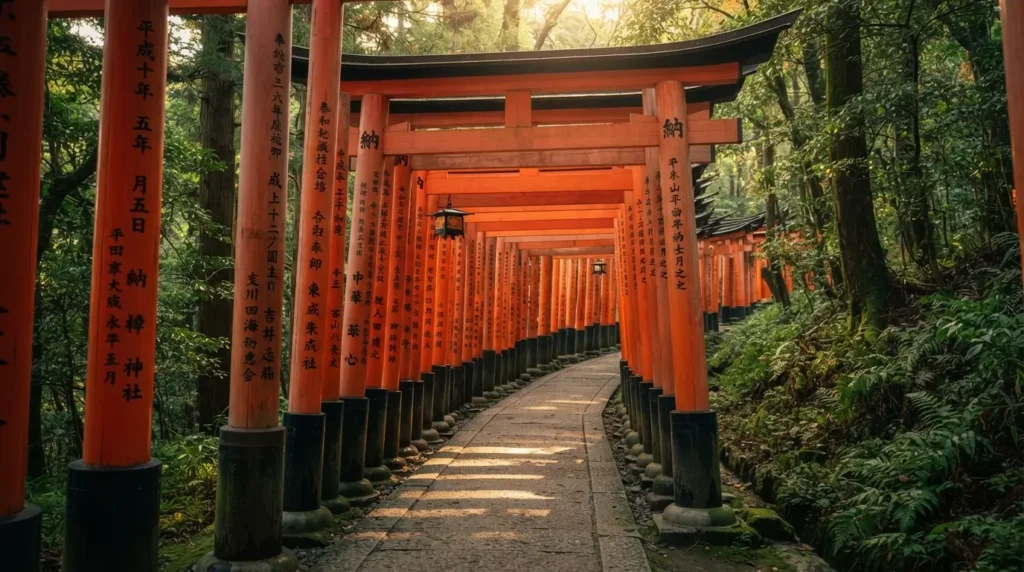
2. Kyoto, Japan: 7 Days of Structure, Beauty, and Predictability
Japan is counterintuitively one of the best destinations for anxious travelers, and Kyoto specifically is where that becomes most obvious. Everything runs on time. Signage is clear. Social norms discourage loud or unpredictable behavior in public spaces. The whole country operates on a frequency of quiet consideration that genuinely calms an overactive nervous system.
Days 1 to 2: Arrive and recover. Jet lag is real and fighting it makes everything worse. Let yourself sleep when you need to. Walk the Philosopher’s Path in the early evening when it is quiet and golden.
Days 3 to 4: Fushimi Inari gates at 6 a.m. before tour groups arrive. The early morning solitude here is extraordinary and the crowds that arrive by 9 a.m. make the same walk feel completely different. Afternoon at Nishiki Market for snacks and gentle sensory stimulation. Evening at a quiet izakaya near your accommodation.
Days 5 to 6: Arashiyama district. Bamboo grove, Tenryuji temple garden, and the small streets of Sagano. This area rewards slow walking and long pauses. Afternoon boat ride on the Oi River if crowds are manageable.
Day 7: Nijo Castle in the morning, which has squeaky nightingale floors that delight anxious travelers for reasons that are hard to explain but entirely real. Slow afternoon, early pack.
Budget reality: Guesthouses in Kyoto run ¥3,000 to ¥6,000 per night, roughly $20 to $40. Convenience store meals from 7-Eleven or Lawson are genuinely good and cost ¥400 to ¥800. A IC card loaded with transit credit eliminates any stress about buying individual tickets.
Why Japan Works for Anxious Travelers Specifically
The cultural norm around quiet public behavior removes one of the most common anxiety triggers in travel, unpredictable social environments. Nobody is going to approach you aggressively, play loud music on the train, or make your personal space feel unsafe. That baseline predictability is genuinely therapeutic for people whose nervous systems are wired toward threat detection.
3. Porto, Portugal: 5 Days of Small City Ease
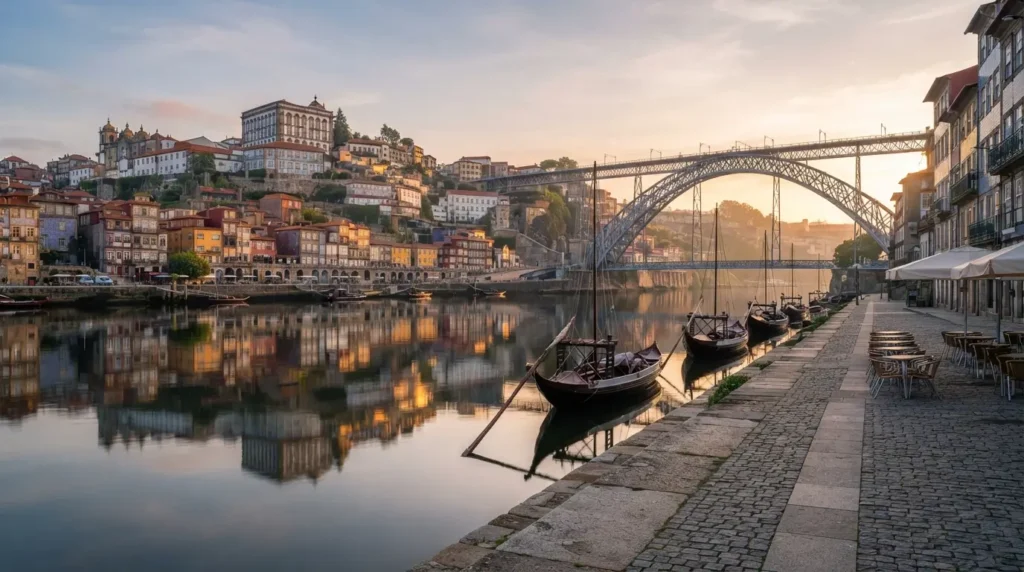
Porto is Lisbon’s quieter, less crowded sibling, and for anxious travelers that distinction matters enormously. The city is smaller, easier to read spatially, and has a slower pace that feels less like you are constantly missing something. The Ribeira waterfront district gives you a beautiful anchor point that you can return to whenever the city starts feeling like too much.
Day 1: Arrive and walk only as far as feels comfortable. The Ribeira is right there. Sit by the Douro River and watch the rabelo wine boats. Dinner at a simple tasca on the waterfront.
Day 2: São Bento railway station for the extraordinary blue tile panels, free to enter and genuinely one of the most beautiful interiors in Europe. Climb to the cathedral for views. Afternoon nap without guilt.
Day 3: Day trip to Aveiro by train, 70 minutes and about €3.60 each way. Called the Portuguese Venice for its canals and moliceiro boats. Small enough to see entirely on foot in a few hours, which suits anxious travelers who find large cities draining.
Day 4: Livraria Lello bookshop in the morning before crowds arrive, opens at 9 a.m. and queues build fast. Foco co-working space in the afternoon if you need somewhere quiet with Wi-Fi and good coffee. Sunset from Jardim do Morro across the river.
Day 5: Matosinhos beach by Metro, 20 minutes. Fresh grilled fish lunch at one of the seafront restaurants. Slow return to the city for a final evening.
Budget reality: Mid-range guesthouses in Porto run €35 to €60 per night. The Metro system is straightforward and a 24-hour pass costs €2. Food costs are among the lowest in Western Europe.
4. Ljubljana, Slovenia: 4 Days in Europe’s Most Relaxed Capital
Ljubljana is one of those cities that anxious travelers stumble into by accident and immediately wonder why they did not come sooner. The capital of Slovenia is small enough to feel entirely manageable, the old town is pedestrianized and calm, and the whole city operates at a pace that feels like it was designed by someone who understood the value of not rushing.
Day 1: Walk the entire old town in a morning. It genuinely takes about two hours at a slow pace. Ljubljana Castle sits above the city and offers a free funicular ride and panoramic views that contextualize the whole area. Afternoon coffee at one of the riverside cafés under the willows.
Day 2: Day trip to Lake Bled, 55 minutes by bus and around €6 return. Bled is one of the most photographed lakes in Europe for excellent reasons. The island church, the medieval castle above the lake, and the circular walk around the entire shoreline take a full day at a gentle pace. Kremšnita, the local vanilla cream cake, is mandatory and costs about €3 at the Park Hotel café.
Day 3: Tivoli Park for a morning walk through one of the most peaceful urban green spaces in Central Europe. Central Market for fresh produce and a simple lunch. Metelkova alternative art district in the afternoon if unusual street art and creative spaces feel stimulating rather than overwhelming.
Day 4: Slow morning, local café, departure.
Budget reality: Ljubljana is one of the most affordable capitals in Europe. Hostels with private rooms run €30 to €50 per night. A day trip to Bled costs under €20 all in. Restaurant meals average €8 to €14.
5. Chiang Mai, Thailand: 7 Days of Temple Peace and Street Food Comfort
Chiang Mai has a quality that reliably works for anxious travelers: it is big enough to have everything you need but small enough that you never feel lost for long. The Old City moat creates a natural boundary that makes orientation instinctive, and the temple culture gives you a built-in reason to slow down and sit quietly in beautiful spaces throughout the day.
Days 1 to 2: Arrive and acclimatize. The heat will hit you. Drink water, move slowly, and do not attempt to cover too much ground. Walk the Sunday Walking Street market in the evening if timing aligns, it is manageable and close to the Old City.
Days 3 to 4: Doi Suthep temple on the mountain above the city. Go early, by 7 a.m. if possible, before heat and crowds build. The 306 steps up to the main temple are lined with nagas and the view over Chiang Mai from the top is genuinely worth the climb. Afternoon at Wat Chedi Luang in the Old City, free to enter and extraordinarily peaceful.
Days 5 to 6: Thai cooking class booked through a school like Mama Noi’s or Thai Farm Cooking School. Half-day sessions run $25 to $35 and give the day clear structure, which is enormously helpful for anxious travelers who find unstructured time paradoxically stressful. Evening at the Night Bazaar.
Day 7: Elephant Nature Park visit. This ethical sanctuary outside the city runs full-day visits for around $80, which is not budget but represents such extraordinary value emotionally and ethically that it belongs on every Chiang Mai itinerary. Watching elephants in a genuinely caring environment is one of the most grounding experiences available to travelers anywhere.
Budget reality: Private rooms in well-reviewed guesthouses near the Old City run $12 to $22 per night. Street food meals cost $1.50 to $3. A Grab motorcycle or car from the app is cheap, safe, and removes any stress about taxi negotiation.
6. Reykjavik, Iceland: 5 Days of Nature, Quiet, and Predictable Infrastructure
Iceland requires a higher daily budget than most destinations on this list, but the experience it delivers for anxious travelers is specific and valuable enough to make the cost worthwhile with careful planning. The country is extraordinarily safe, the infrastructure is completely reliable, and the natural environment offers a kind of scale and silence that makes human-made anxieties feel temporarily less important.
Day 1: Arrive in Keflavik, take the Flybus to Reykjavik, check in. Walk Laugavegur street in the evening for food and orientation. Bæjarins Beztu Pylsur hot dog stand near the harbor is a local institution and costs about $3. Hallgrímskirkja church observation tower for city views.
Day 2: Golden Circle by bus tour, about $50 to $60 and removes all driving stress. Þingvellir National Park, Geysir geothermal field, and Gullfoss waterfall cover in one comfortable day with a guide who handles logistics entirely.
Day 3: Blue Lagoon geothermal spa. Book in advance, mandatory, and budget €50 to €80 for the standard entry. The warm silica-rich water in a dramatic lava field landscape is one of the most genuinely therapeutic environments I have experienced anywhere. The anxiety simply does not follow you in.
Day 4: South Coast tour by organized bus. Black sand beaches at Reynisfjara, Skógafoss waterfall, Seljalandsfoss where you can walk behind the waterfall. All extraordinary and all handled without any self-driving stress.
Day 5: Reykjavik city slow morning. Kolaportið flea market on weekends. Reykjavik Art Museum spread across three buildings for calm indoor culture. Departure from Keflavik.
Budget reality: Iceland is expensive. Counter it with supermarket meals from Bónus, budget around $15 to $20 per day on food, and book accommodation at Kex Hostel or similar for $50 to $70 per night in a private room. Organized day tours remove rental car costs entirely.
7. Tallinn, Estonia: 4 Days in a Medieval City That Feels Entirely Safe
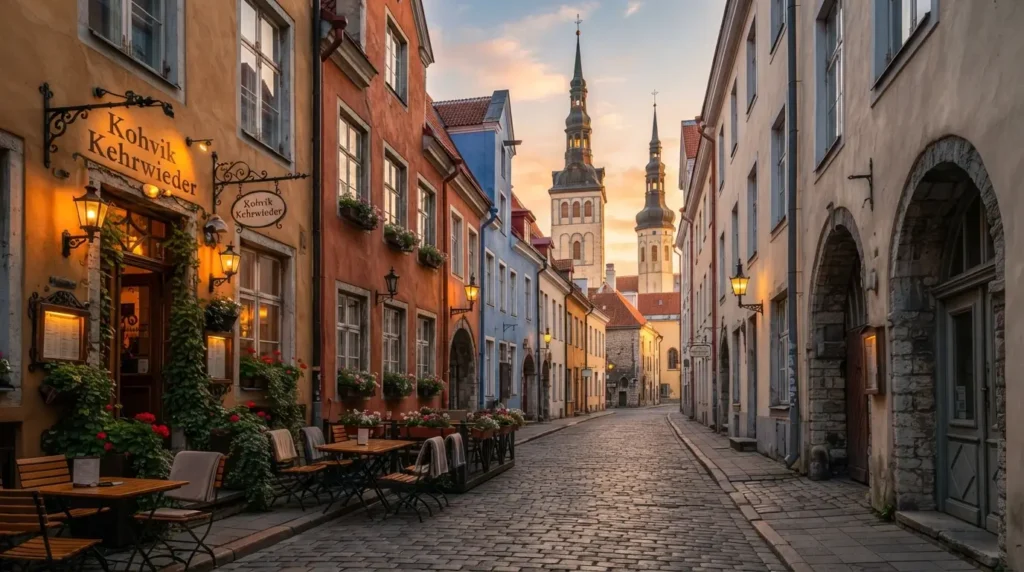
Tallinn is consistently ranked among the safest cities in Europe, and its medieval Old Town is so compact and well-preserved that orientation comes within hours of arrival. The city walls, towers, and cobbled streets create a contained environment that feels almost like a film set, beautiful, walkable, and impossible to get seriously lost in.
Day 1: Walk the entire Old Town in an afternoon. Town Hall Square, Toompea Castle, Alexander Nevsky Cathedral, and the viewing platforms overlooking the lower city all sit within a 20-minute walk of each other. Dinner at Olde Hansa, a medieval-themed restaurant that sounds gimmicky and is genuinely excellent.
Day 2: Telliskivi Creative City district, a converted factory complex with independent cafés, vintage shops, and a weekend market. The atmosphere here is relaxed and young without feeling chaotic. F-Hoone café does excellent food and has a calm interior that works well for anxious travelers who need a reliable anchor point.
Day 3: Day trip to Lahemaa National Park by organized tour or local bus. Coastal forest, manor houses, and almost complete solitude make this one of the most restorative day trips available from any European capital. The bog walk at Viru Raba in rubber boot rentals costs almost nothing and feels like walking on another planet.
Day 4: Kadriorg Park and palace in the morning. KUMU Art Museum, one of the best in the Baltic states, in the afternoon. Slow evening, early departure.
Budget reality: Tallinn is genuinely affordable. Private rooms in Old Town guesthouses run €30 to €50 per night. Meals average €8 to €12. The entire city is walkable, which eliminates transit costs almost completely.
8. Lisbon to Seville Train Route: 8 Days Across Two Countries
Multi-destination trips sound inherently more stressful for anxious travelers, but this specific route works because every transition is by train, the cities are manageable, and the pace builds naturally rather than jumping between completely different environments. The train from Lisbon to Seville takes about two and a half hours and crosses a genuinely beautiful stretch of countryside.
Days 1 to 3 in Lisbon: See the earlier Lisbon itinerary. Use these days to get comfortable with travel rhythms before moving on.
Day 4: Morning train from Lisbon Oriente station to Seville Santa Justa. Check in, walk the Triana neighborhood across the river in the afternoon. Dinner at a simple tapas bar where pointing at things is an entirely acceptable ordering strategy.
Days 5 to 6 in Seville: Real Alcázar palace gardens in the morning, arrive when doors open at 9:30 a.m. to avoid peak crowds. Metropol Parasol, the extraordinary wooden mushroom structure in the old town, has a rooftop walk at sunset for €3. Flamenco show at a tablao in the evening, book in advance and arrive knowing what to expect, which removes the uncertainty that makes spontaneous cultural experiences stressful.
Day 7: Day trip to Córdoba by high-speed train, 45 minutes and about €12 each way. The Mezquita mosque-cathedral is one of the most breathtaking buildings in Europe. The Jewish Quarter surrounding it is quiet, shaded, and beautiful. Return to Seville in the afternoon.
Day 8: Slow morning, departure from Seville.
Budget reality: This eight-day trip can be done for $800 to $1,100 total including flights, accommodation, food, and transport if you book accommodation in advance and eat at local spots rather than tourist-facing restaurants.
How to Build a Trip That Actually Works for an Anxious Brain
The structure of a trip matters as much as the destination for anxious travelers. A beautiful place poorly planned creates more anxiety than a simpler place thought through carefully.
A few things that consistently make the difference:
- Book accommodation for every night before you leave. The uncertainty of figuring out where you will sleep is one of the most reliable anxiety amplifiers in travel. Remove it entirely.
- Choose accommodation in central, walkable neighborhoods. The extra cost over a peripheral budget option pays for itself in reduced transit stress and the ability to return easily if you feel overwhelmed.
- Build one completely unscheduled afternoon into every two to three days. Not every moment needs to be productive or memorable.
- Research one reliable café or restaurant near your accommodation before arrival. Having a default answer to “where do I eat tonight” removes a surprising amount of decision fatigue.
- Download Google Maps offline for every destination. Knowing you can navigate without data removes a significant layer of background worry.
- Carry a small comfort kit: familiar snacks, headphones with a saved playlist, and one physical object from home that grounds you. It sounds minor. It is not minor.
Travel insurance through World Nomads or SafetyWing removes the financial anxiety layer that underlies a lot of travel worry. Knowing that a canceled flight or a medical issue will not financially ruin the trip makes everything else feel more manageable.
The One Mindset Shift That Changed How I Travel With Anxiety
Accepting that something will go wrong on every trip and planning for that reality rather than trying to prevent it is genuinely liberating. Not the specific thing, you cannot know that in advance. But building two hours of buffer into every travel day, keeping one night’s budget in a separate account for emergencies, and identifying the local equivalent of a pharmacy and a quiet café in every new city gives your brain the safety net it needs to actually enjoy the experience.
Anxiety wants certainty. You cannot give it certainty, but you can give it enough structure that the uncertainties feel survivable rather than catastrophic.
Frequently Asked Questions
What are the best budget-friendly trip itineraries for anxious travelers who hate flying?
Train travel across Europe is genuinely excellent for anxious travelers who avoid flying. The Lisbon to Seville route, the Paris to Amsterdam Thalys train, and the London to Edinburgh ScotRail route all offer beautiful journeys without airport stress. Interrail passes for European rail travel give you flexibility without requiring individual ticket purchases in advance for every leg.
How do I manage anxiety attacks while traveling abroad?
Having a clear plan before they happen matters more than managing them in the moment. Know the local emergency number, identify a quiet space near your accommodation, carry any prescribed medication in your carry-on with a doctor’s letter, and have a grounding playlist or breathing app like Calm downloaded offline. Telling one person at home your daily itinerary also reduces the background anxiety of feeling untethered.
Which travel destinations are genuinely the safest for solo anxious travelers?
Japan, Iceland, Slovenia, and Estonia consistently rank among the world’s safest countries for solo travelers. Low crime rates, reliable infrastructure, and cultures that respect personal space and quiet public behavior make these destinations significantly lower-stress than cities with more chaotic social environments. Singapore is another excellent option if you prefer urban environments.
Is solo travel or group travel better for anxious travelers?
It depends entirely on the source of your anxiety. If crowds and social pressure trigger you, solo travel with a structured itinerary gives you full control over pace and environment. If being alone amplifies worry, a small group tour through an operator like G Adventures or Intrepid Travel provides built-in companionship and handles logistics for you. Both are valid approaches.
How do I handle the anxiety of not speaking the local language?
Preparation removes most of this fear. Download Google Translate with the local language pack for offline use before you leave. Learn five to ten key phrases including please, thank you, excuse me, where is, and I do not understand. Most people in tourist-frequented areas speak some English, and a genuine attempt at local phrases almost always produces warmth rather than frustration. The fear of language barriers is usually significantly worse than the reality.
Conclusion
Anxiety does not disqualify you from being a traveler. It just means you need a different kind of itinerary, one with more structure, more breathing room, and destinations that work with your nervous system rather than against it. Every trip on this list was chosen because it gave me, and the anxious travelers I know personally, more than just a beautiful backdrop. Which destination feels like the right amount of manageable for where you are right now?