
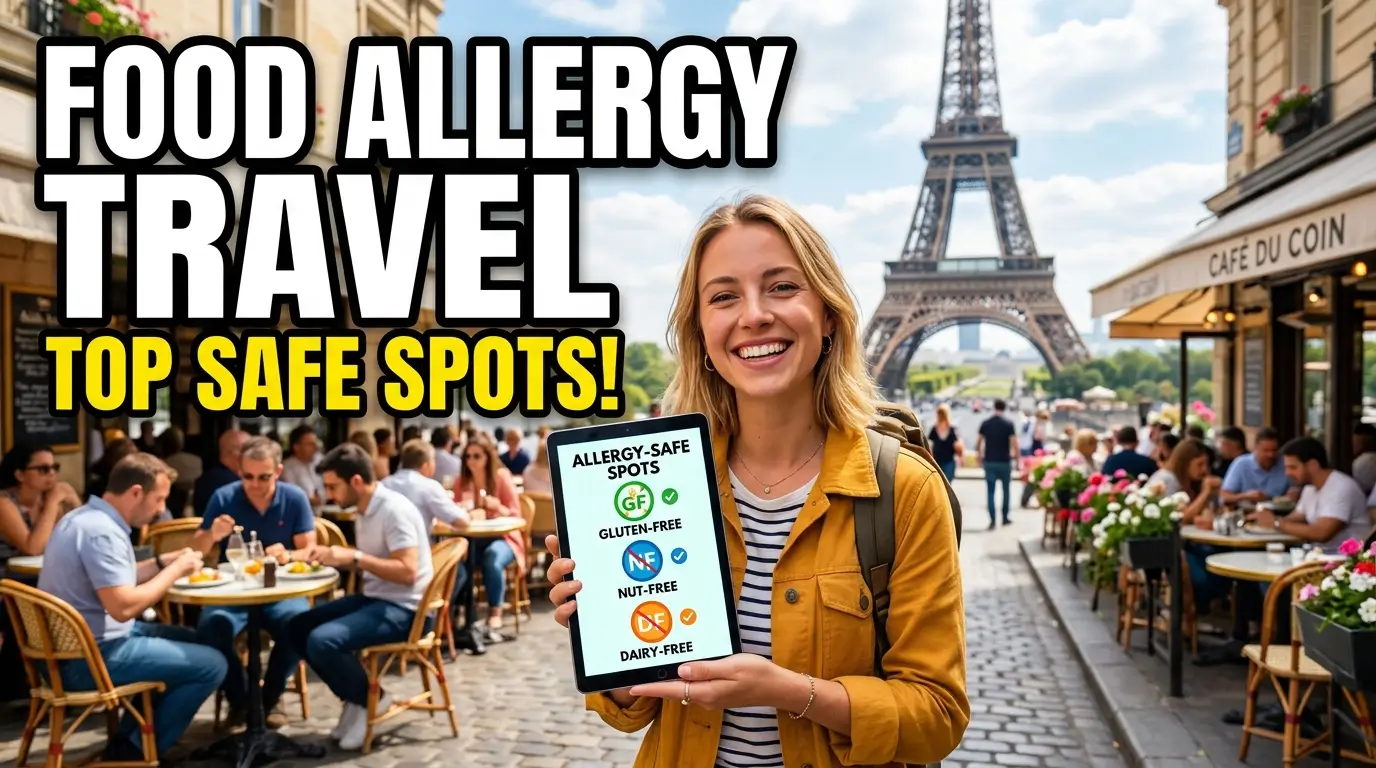
Finding top tourist attractions for travelers with food allergies that actually make you feel safe, not just tolerated, is harder than any travel brochure will ever admit. I have navigated this personally, standing in a beautiful foreign city holding a plate of something I was not entirely sure about, weighing the experience against the risk. That calculation gets exhausting fast. The good news is that some destinations have genuinely figured this out, and those are exactly the ones worth your time and money.
1. London, UK: Allergy Labeling Laws That Actually Protect You
London sits at the top of this list because the UK has some of the strictest food allergy labeling legislation in the world. Since Natasha’s Law came into effect in October 2021, every pre-packaged food sold directly to consumers must carry full ingredient labeling, including all 14 major allergens clearly highlighted. That is not a suggestion. It is a legal requirement with real consequences for non-compliance.
Restaurant menus across London now routinely flag the top allergens, and staff training around allergy awareness has improved significantly across the industry. Chains like Wagamama, Pret a Manger, and Dishoom all maintain detailed allergen menus available on request or online before you visit.
The tourist attractions themselves are extraordinary and entirely accessible. The British Museum, the Tower of London, the Tate Modern, and Borough Market all sit within a city that takes dietary safety seriously. Borough Market in particular has become one of the best food markets in the world for allergy-aware eating, with vendors who know their ingredients and are used to fielding specific questions. The allergen awareness culture here is baked into daily life in a way that makes a genuine difference.
2. Amsterdam, Netherlands: Clear Menus and a Culture of Directness
The Dutch are famously direct, and that national trait extends to how restaurants handle food allergy conversations. Ask a server in Amsterdam whether a dish contains nuts or dairy and you will get a straight answer, not a vague reassurance designed to keep you ordering. That directness is worth more than any printed menu.
The Netherlands also follows EU food allergen regulations, which require restaurants to provide allergen information for all dishes, either in writing or verbally through trained staff. Many Amsterdam restaurants go further and maintain full written allergen matrices available on request.
Tourist highlights here are exceptional. The Rijksmuseum, Anne Frank House, Van Gogh Museum, and the canal ring together form one of the most culturally rich compact city centers in Europe. Between attractions, Albert Heijn supermarkets, found on almost every block, carry clear allergen labeling on every product, making self-catering backup options genuinely easy.
Vegan and allergy-aware restaurants like Meatless District and Vegan Junk Food Bar also maintain detailed ingredient transparency, partly because their customer base specifically asks for it. A city where dietary conversations feel normal rather than burdensome makes all the difference when you are managing a serious allergy.
3. Stockholm, Sweden: Sophisticated Food Culture and Serious Allergy Awareness
Sweden approaches food safety with the same methodical seriousness it brings to most things, and travelers with food allergies benefit from that enormously. Swedish food culture places a high value on ingredient transparency, and the restaurant industry here has been ahead of the curve on allergen documentation for years.
The EU allergen regulation applies here as in Amsterdam, but Swedish restaurants tend to go beyond minimum compliance. Many carry laminated allergen charts for every dish on the menu, updated whenever ingredients change. Staff in tourist-heavy areas almost universally speak excellent English, which removes the language barrier that makes allergy communication so fraught in other destinations.
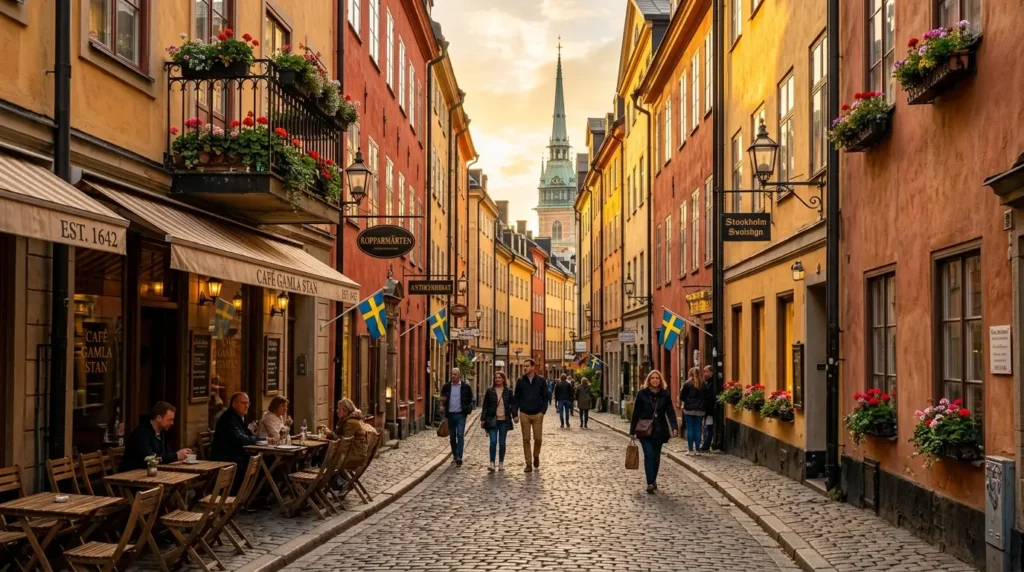
Stockholm’s tourist attractions are stunning and varied. The Vasa Museum, housing a perfectly preserved 17th-century warship, is unlike anything else in the world. Gamla Stan, the medieval old town, is beautifully walkable. Skansen open-air museum, ABBA The Museum, and the Royal Palace round out a city that rewards slow exploration.
Östermalm’s Food Hall, one of the most beautiful market buildings in Europe, is an extraordinary experience for allergy-aware travelers who want to eat well. Vendors are knowledgeable, produce is clearly sourced, and the atmosphere feels genuinely safe for people who need to ask questions before eating.
4. Tokyo, Japan: Precise Labeling but Requires Research
Tokyo requires more advance preparation than London or Stockholm, but the reward for that preparation is one of the greatest food cities on earth. Japan has mandatory allergen labeling requirements covering eight core allergens including wheat, buckwheat, eggs, milk, peanuts, shrimp, crab, and walnuts. Packaged food labeling is rigorous and reliable.
The more complex challenge is restaurant dining, where cross-contamination risks and hidden soy, sesame, and shellfish derivatives are common in traditional Japanese cooking. This is not negligence, it reflects a cuisine built on stocks, fermented sauces, and flavor layers that have been constructed the same way for centuries. The key is communication, and Japan actually rewards precise communication remarkably well.
Allergen translation cards printed in Japanese are essential. The Equal Eats app produces professionally translated allergy cards for Japan that go beyond basic phrase lists and explain cross-contamination concerns in culturally appropriate language. Many Tokyo restaurants, particularly in tourist districts, now carry English-language allergen menus.
Tourist attractions here are extraordinary regardless. Senso-ji temple in Asakusa, Shinjuku Gyoen National Garden, Tsukiji Outer Market, teamLab digital art museums, and the observation decks at Tokyo Skytree or Tokyo Tower all belong on any first visit. With the right preparation, allergy-safe eating in Tokyo is genuinely achievable and deeply rewarding.
Restaurants Worth Knowing in Tokyo
T’s Tantan inside Tokyo Station is a fully vegan ramen restaurant with no fish stock, no dairy, and no eggs. It is one of the most allergy-friendly restaurants in the city and also genuinely delicious. Ain Soph Journey in Shinjuku is another fully plant-based spot with transparent ingredient practices.
5. Tel Aviv, Israel: Mediterranean Freshness and Natural Allergy Flexibility
Tel Aviv’s food culture aligns almost accidentally with allergy-safe eating in several important ways. The Mediterranean diet foundation of fresh vegetables, legumes, olive oil, and grains means many dishes are naturally free from the most common allergens without any modification required.
Jewish dietary laws around keeping kosher also create a built-in separation between meat and dairy products across many restaurants and food businesses, which benefits travelers managing dairy allergies significantly. Many restaurants are either fully dairy-free or fully meat-free, making it easier to predict what you are eating before you order.
Allergen awareness among English-speaking restaurant staff in Tel Aviv is strong, particularly in the internationally popular restaurant neighborhoods of Florentin, Rothschild Boulevard, and the Carmel Market area. The fresh fruit and vegetable abundance at Carmel Market means easy, naturally allergy-safe snacking throughout the day.
Tourist attractions in and around Tel Aviv are rich and varied. Old Jaffa port and flea market, the Tel Aviv Museum of Art, Neve Tzedek neighborhood, and the 14-kilometer Mediterranean beachfront all make the city rewarding beyond its food scene. Day trips to Jerusalem, Caesarea, and the Dead Sea are all straightforward from here and add significant cultural depth to the trip.
6. Sydney, Australia: Strong Allergy Culture and Clear Communication Norms
Australia has one of the highest rates of food allergy diagnosis in the world, which sounds alarming but has produced a restaurant and food service industry that is genuinely better prepared for allergy-aware guests than most countries. Allergy conversations in Sydney restaurants feel routine rather than dramatic because staff have them constantly.
Food Standards Australia New Zealand regulations require allergen declaration on packaged foods for the nine most common allergens, and the industry has responded with strong compliance. Many Sydney cafés and restaurants now carry QR code menus with allergen filters built directly into the ordering system.
The tourist experience in Sydney is exceptional. Bondi Beach and the coastal walk to Coogee, the Sydney Opera House, the Royal Botanic Garden, Taronga Zoo, and the Rocks historic district all make for a full and varied visit. The ferry system gives you beautiful harbor views between attractions, and Circular Quay puts you within easy reach of most major sights.
Bills restaurant in Darlinghurst, one of Sydney’s most beloved breakfast institutions, handles allergy requests with genuine care and flexibility. The city’s thriving café culture means gluten-free bread, dairy-free milk, and nut-free options are available almost everywhere without the sheepish negotiation that happens in less allergy-aware cities.
7. Vancouver, Canada: Farm-to-Table Culture and Transparent Ingredients
Vancouver’s food scene has been built around fresh, locally sourced ingredients for long enough that transparency about what goes into dishes has become part of the restaurant culture rather than an afterthought. Chefs and servers here are generally well-informed about their ingredients because the whole ethos of the dining scene demands it.
Canada’s food labeling regulations require declaration of all priority allergens on packaged foods, including gluten sources, and compliance is strong. Vancouver also has a large and sophisticated population of people managing various dietary needs, which means the restaurant industry has evolved to meet that demand consistently.
Granville Island Public Market is one of the best food markets in North America for allergy-aware travelers. Vendors are small-scale producers who know exactly what is in their products and are used to answering specific questions. Picking up picnic supplies here feels genuinely safe in a way that large supermarket deli counters rarely do.
Tourist attractions include Stanley Park and the Seawall, the Museum of Anthropology at UBC, Gastown, Capilano Suspension Bridge, and easy day trips to Whistler or the Gulf Islands. The combination of natural beauty, strong infrastructure, and an unusually allergy-literate food scene makes Vancouver one of the most comfortable destinations for travelers managing serious allergies.

8. Barcelona, Spain: Growing Awareness in a Wheat-Heavy Cuisine
Barcelona deserves an honest entry rather than a purely promotional one, because Spanish cuisine does lean heavily on wheat, pork derivatives, and shellfish in ways that require navigation for some allergy profiles. That said, Barcelona’s restaurant scene has evolved significantly in recent years, and the city now has a strong and growing allergy-aware dining culture.
EU allergen regulations apply here and most restaurants comply with providing allergen information on request. The challenge is that compliance can be inconsistent outside of tourist-heavy areas, and staff allergy knowledge varies more than it does in Northern European cities. Learning key Spanish phrases for your specific allergy matters more here than in English-speaking destinations.
The tourist experience is world-class regardless of these caveats. La Sagrada Família, Park Güell, the Gothic Quarter, Barceloneta beach, and La Boqueria market all make Barcelona one of the most rewarding cities in Europe to visit. La Boqueria itself requires some navigation for allergy travelers, but fresh fruit stalls and clearly labeled whole foods make safe snacking straightforward.
Nut-allergic travelers should be particularly careful with traditional Catalan sauces like romesco and picada, which are walnut and almond-based. Asking specifically is always better than assuming. For gluten-free travelers, Barcelona now has a dedicated community of dedicated gluten-free restaurants and bakeries including La Pepita and Flax and Kale.
9. New Zealand: Outdoors Culture and Surprisingly Strong Allergy Infrastructure
New Zealand punches well above its weight on allergy awareness relative to its size. Food allergen labeling requirements are regulated under Food Standards Australia New Zealand and mirror Australia’s strong compliance culture. The country’s relatively high rate of food allergy diagnosis has pushed the hospitality industry to treat allergy requests as routine rather than exceptional.
Restaurants in Auckland, Wellington, and Queenstown generally handle allergy conversations well, and the farm-to-table dining culture means ingredients are often simpler and more traceable than in more industrialized food scenes. Wellington in particular has been recognized internationally as one of the world’s great café cities, with a coffee and brunch culture that naturally accommodates diverse dietary needs.
Tourist attractions span an extraordinary range. The Waitomo Glowworm Caves, Tongariro Alpine Crossing, Fiordland National Park, Milford Sound, Hobbiton Movie Set, and the geothermal landscapes of Rotorua all make New Zealand one of the most scenically varied destinations on earth. The country’s small scale means you can experience alpine wilderness, geothermal activity, Maori culture, and a sophisticated urban food scene all within one trip.
Pak’nSave and Countdown supermarkets across New Zealand carry clear allergen labeling and a wide range of free-from products, making self-catering between restaurant meals easy and reliable.
10. Reykjavik, Iceland: Simple Ingredients and an Uncomplicated Food Culture
Iceland’s food culture is built on straightforwardly sourced ingredients, lamb, fish, dairy, root vegetables, and bread, which creates a level of ingredient simplicity that benefits many allergy travelers. The cuisine is not heavily spiced, sauce-layered, or complex in the way that makes hidden allergens so difficult to track in other countries.
EU allergen regulations apply in Iceland, and restaurant compliance is strong. The small size of Reykjavik’s hospitality industry means many restaurant owners and chefs work closely with their staff on menu knowledge, and allergy questions tend to get answered by people who actually know the food rather than someone who just started their second shift.
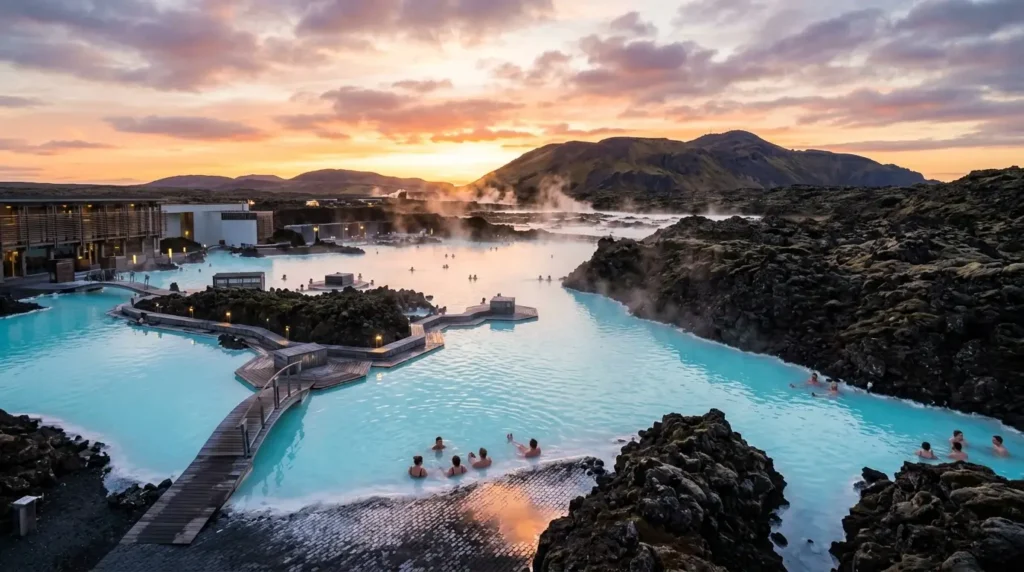
Tourist attractions in and around Reykjavik are extraordinary. The Northern Lights from October through March, the Golden Circle route covering Þingvellir National Park, Geysir, and Gullfoss waterfall, whale watching in Faxaflói Bay, the Blue Lagoon geothermal spa, and Hallgrímskirkja church with its observation tower all make Iceland a genuinely bucket-list destination.
Skyr, the traditional Icelandic dairy product similar to thick yogurt, is available everywhere and makes an easy, protein-rich snack for travelers who manage dairy well. For those who do not, Iceland’s supermarkets carry clear labeling that makes dairy-free alternatives easy to identify.
How to Prepare for Allergy-Safe Travel Before You Leave
Preparation is what separates a stressful allergy travel experience from a confident one. The destination matters, but your groundwork matters just as much.
A few things that consistently make a real difference:
- Equal Eats or AllergyEats translation cards printed in the local language cover your specific allergens with medical-grade clarity that basic Google Translate phrases cannot match
- Research the local term for your allergen before you arrive, “peanut” does not always translate as cleanly as you think
- Download the destination’s supermarket app before you fly, most major chains now have allergen filter functions in their online shopping tools
- Book accommodation with a kitchenette for at least part of the trip, having a fallback option reduces anxiety enormously
- Contact your hotel in advance and ask specifically about breakfast allergen protocols, hotel buffets are one of the highest cross-contamination risk environments you will encounter
The AllergyFly app is also worth downloading before any international trip. It aggregates allergy-friendly restaurant reviews globally and lets you filter by specific allergen, which saves significant research time on the ground.
Frequently Asked Questions
Which countries have the strongest food allergy labeling laws for travelers?
The UK, Australia, New Zealand, and EU member states all have strong mandatory allergen labeling legislation with real enforcement. The UK’s Natasha’s Law is currently one of the most comprehensive pieces of food allergy legislation in the world for pre-packaged foods. These destinations give allergy travelers the most reliable baseline of legal protection.
How do I communicate my food allergy abroad if I do not speak the language?
Professionally translated allergy cards from services like Equal Eats are the most reliable option. They go beyond basic word lists and explain cross-contamination risks in culturally appropriate language. Carry both a digital and printed version. For destinations where English is widely spoken, a direct, specific conversation with kitchen staff is often the most effective approach.
Are top tourist attractions for travelers with food allergies different from regular sightseeing?
The attractions themselves are usually the same. What differs is how much mental energy you spend managing food safety around them. Destinations with strong allergy cultures let you focus on the experience rather than the negotiation, which genuinely changes how a trip feels from the inside.
What are the riskiest destinations for travelers with serious food allergies?
Destinations where cross-contamination is deeply embedded in the cooking style and where language barriers make communication difficult present the highest risk. Parts of Southeast Asia using widespread fish sauce, shrimp paste, and peanut oil in nearly every dish can be particularly challenging for travelers managing those specific allergies. This does not make them off-limits, but they require significantly more preparation.
Should I carry an EpiPen internationally and how do I travel with it?
Always carry your EpiPen if prescribed, and carry two if possible. Keep them in your carry-on, never checked luggage, as temperature changes in the hold can affect efficacy. Carry a doctor’s letter confirming the prescription, particularly for countries with strict medication import regulations. TSA and most international airport security accept EpiPens without issue when accompanied by documentation.
How do I find allergy-friendly restaurants in unfamiliar cities?
HappyCow covers plant-based restaurants globally and many flag common allergens. AllergyEats focuses specifically on allergy-friendly dining reviews. TripAdvisor filters now include dietary restriction tags. Local Facebook groups for expats or travelers in your destination city are often the most current and honest source of allergy-safe restaurant recommendations.
Conclusion
Traveling with food allergies takes more planning than a standard trip, but the destinations on this list prove that serious preparation opens up extraordinary experiences rather than limiting them. The world has more allergy-aware cities than it did even five years ago, and that number keeps growing. Which destination on this list feels most manageable for your specific allergy situation?