
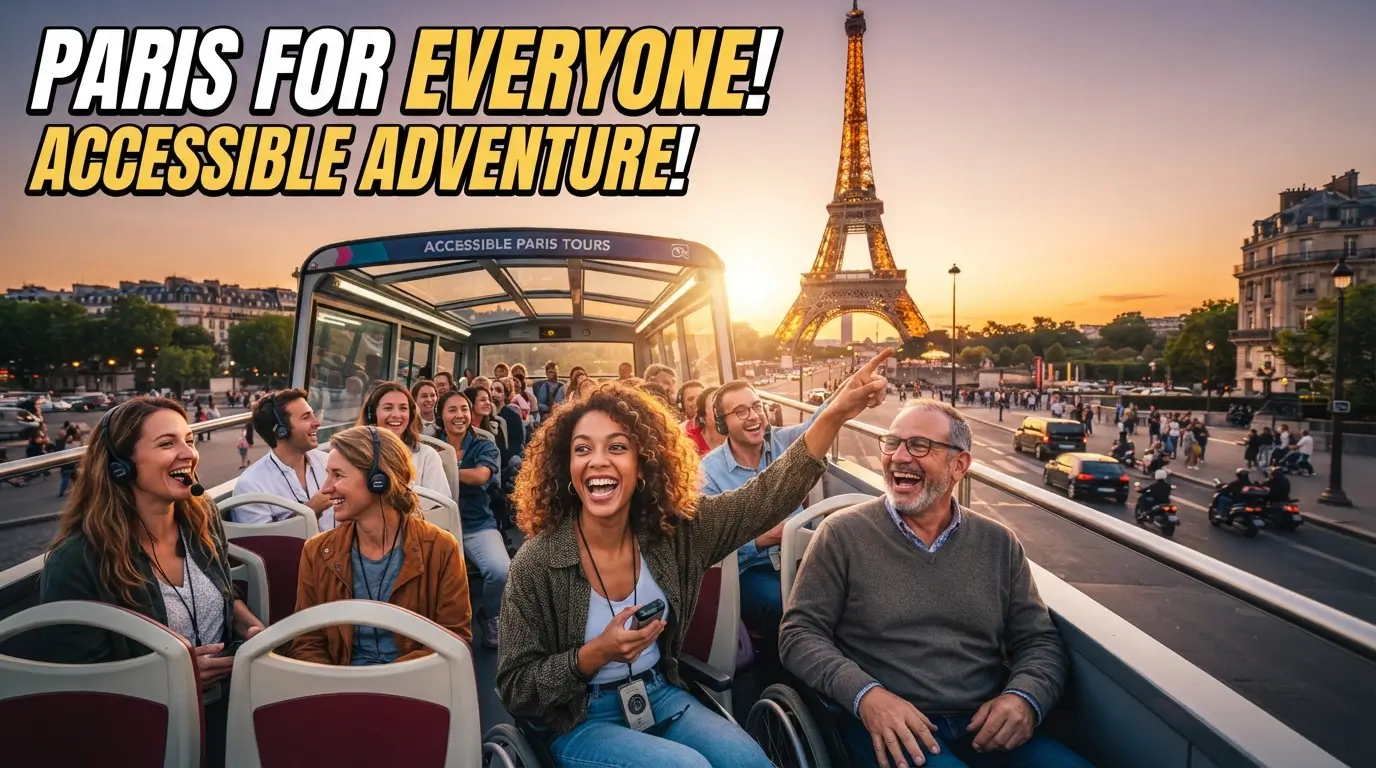
Easy sightseeing tours for travelers with limited mobility should feel like a vacation, not an obstacle course. I learned this the hard way after watching my father struggle through crowded European streets on a trip we planned with good intentions but poor execution. Since then I’ve spent years researching, testing, and adjusting tours for my parents and friends who use mobility aids, canes, or simply tire quickly. The good news is that incredible experiences exist that don’t require steep stairs, long walks, or constant rushing. These are the ones that delivered real joy without real pain.
1. Amsterdam Canal Boat Tours with Accessible Boarding
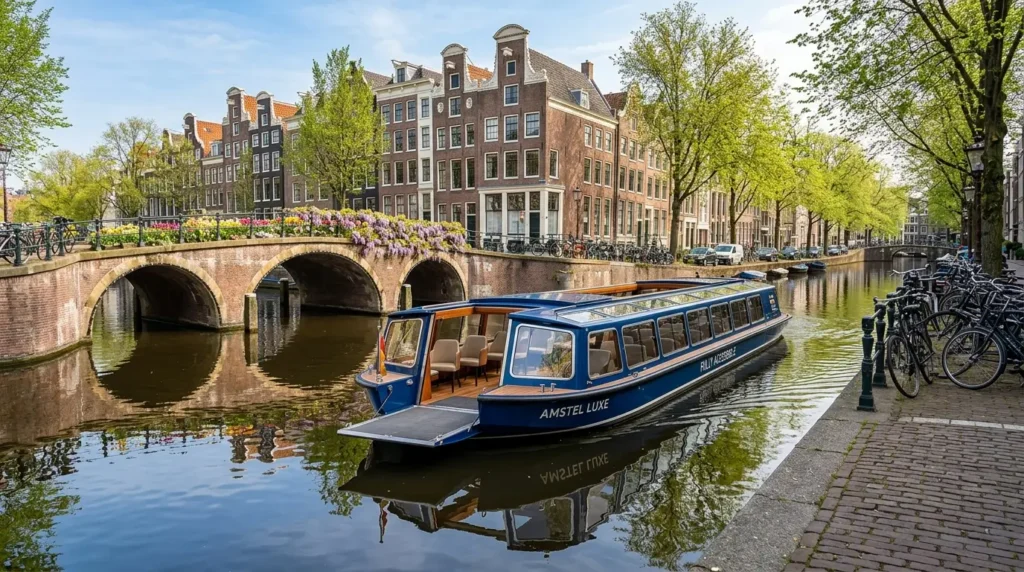
I took my mother on one of these last spring and it remains her favorite travel memory. Many operators now use boats with hydraulic lifts or flat entrances that make boarding effortless for wheelchair users and those with limited balance. The tours glide past every major sight, including Anne Frank’s house, the Rijksmuseum, and the iconic skinny canal houses, all while you sit comfortably with zero walking required.
What makes these tours stand out is the pace. The boat moves slowly enough that you can actually absorb what you’re seeing instead of snapping quick photos and moving on. Most last 75 minutes and include English commentary through headphones. My mom stayed dry, comfortable, and engaged the entire time. Book with Blue Boat Company or Canal Tours Amsterdam and specifically request the accessible vessel when reserving. They accommodate walkers and wheelchairs without extra charge if you mention your needs in advance.
2. Washington DC Hop-On Hop-Off Bus Tours
The open-top double-decker buses in DC have surprisingly good accessibility records compared to most cities. Several companies operate wheelchair-accessible vehicles with ramps or lifts and designated spaces that don’t require you to transfer out of your chair. You can stay on the bus for the full loop or hop off at accessible monuments like the Lincoln Memorial, which has smooth pathways and elevators.
I’ve done this tour twice with different family members who use mobility scooters. The best part is the flexibility. You move at your own pace without pressure from a group. Big Bus Tours and City Sightseeing both run accessible routes that cover the National Mall, Arlington, and Capitol Hill. A full day ticket runs about $50 and includes recorded commentary. Sit on the lower level if stairs feel intimidating. The entire experience is designed around the monuments rather than long walking tours between them.
3. Norwegian Fjord Scenic Rail and Boat Combinations
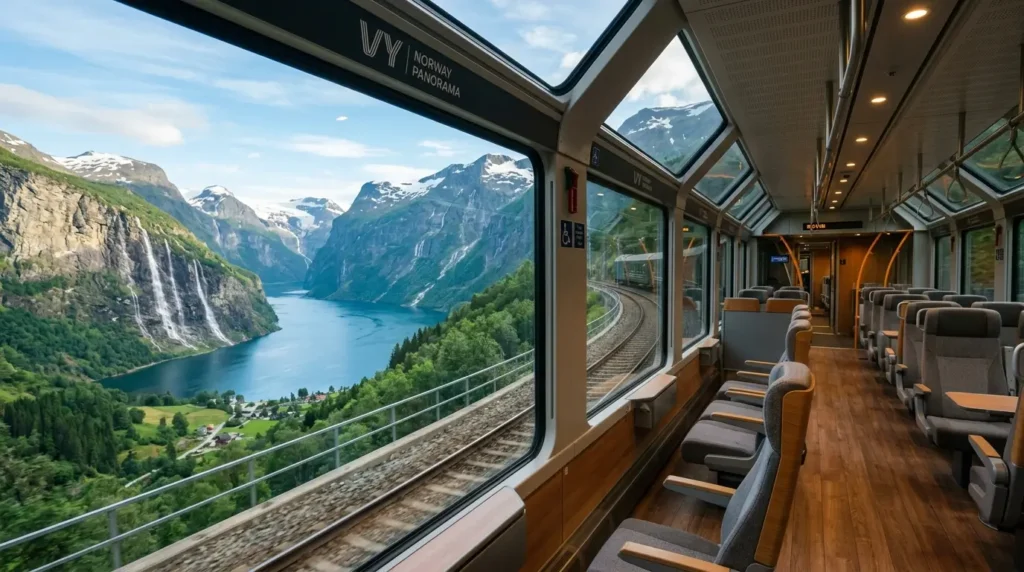
Norway has invested heavily in accessible tourism. The famous Flåm Railway offers reserved wheelchair spaces with large windows that give you sweeping views of the fjords without any hiking or steep transfers. Pair it with one of the hybrid rail-and-boat packages and you get a full day of spectacular scenery while remaining seated almost the entire time.
My father, who uses a walker after knee surgery, called this one of the most beautiful things he’d ever seen. The trains have accessible bathrooms, staff assistance at every station, and smooth rides that don’t jar joints. Visit Norway maintains an excellent accessibility database. Book through Vy or Fjord Tours and request assistance 24 hours ahead. The entire route from Oslo to Bergen can be broken into shorter, manageable segments if a full day feels too long.
4. Hawaiian Glass-Bottom Boat Tours on Oahu
The waters around Waikiki and Kaneohe Bay have several operators running stable, flat-deck boats with ramp access and shaded seating. These tours let you see coral reefs, tropical fish, and turtles without snorkeling, swimming, or even getting wet if you choose the dry viewing option. Many boats have wheelchair tie-downs and crew trained to assist with transfers.
I went on one with my aunt who has severe arthritis. She spent ninety minutes pointing at fish and smiling in a way I hadn’t seen in years. Holokai Catamaran and Aloha Ocean Excursions both offer accessible options. The tours last about 90 minutes and cost $45 to $65. Morning departures tend to have calmer water, which matters for anyone prone to motion sensitivity. Bring binoculars. The clarity of the water makes everything visible from your seat.
5. Banff Gondola and Icefields Parkway Tours
The Banff Gondola rises 698 meters to the top of Sulphur Mountain with fully accessible cabins that accommodate wheelchairs and walkers. At the summit, a boardwalk with gentle slopes leads to viewing platforms with some of the most spectacular mountain scenery in North America. Pair this with a small-group accessible van tour along the Icefields Parkway and you get an entire day of alpine beauty with almost no physical strain.
My travel companion who uses a power wheelchair described it as life-changing. The gondola staff are genuinely helpful and the mountain restaurant at the top has accessible seating with huge windows. Brewster Sightseeing runs adapted vehicles for the parkway portion with hydraulic lifts. Book the gondola online in advance during summer months. The entire experience stays under $150 per person and delivers views that usually require serious hiking.
6. Seine River Dinner Cruises in Paris
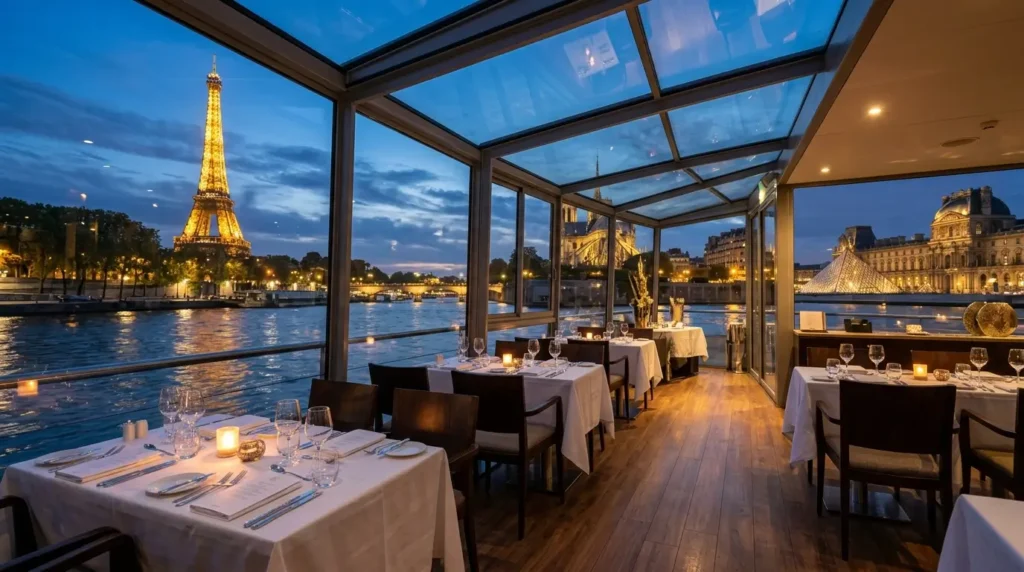
Paris can feel overwhelming for travelers with limited mobility, but the dinner cruises on the Seine solve most of those problems in one elegant package. Boats like those run by Bateaux Parisiens offer wheelchair-accessible boarding ramps, elevators between decks, and fixed tables with beautiful views of Notre-Dame, the Louvre, and the Eiffel Tower as it sparkles at night.
I’ve taken this cruise three times with different family members. The three-hour experience includes a multi-course meal, live music, and zero walking beyond boarding. The boats are climate-controlled and smooth enough that even those with balance issues feel secure. Book the accessible seating category directly through their website. Expect to spend $120 to $180 per person, which includes the meal and transportation along the river. It’s Paris without the cobblestones.
7. Alaska Railroad Denali Star Train Tours
The Alaska Railroad offers accessible rail cars with large windows, accessible restrooms, and staff who help with boarding. The Denali Star route between Anchorage and Fairbanks travels through landscapes so dramatic they almost don’t seem real. You sit, watch mountains and wildlife pass by, and enjoy commentary from knowledgeable guides without ever needing to hike or climb.
My uncle, who had recently had hip replacement surgery, called this his favorite trip in thirty years of travel. The train has designated wheelchair spaces and smooth movement that doesn’t aggravate joint pain. Alaska Railroad offers packages that include accessible lodging at Denali. The one-way journey takes about 12 hours but feels shorter because the scenery constantly changes. Book early. The accessible seats are limited and popular.
8. Barcelona Hop-On Hop-Off Bus with Accessible Routes
Barcelona’s hop-on hop-off buses have made real improvements for accessibility. Several companies run vehicles with ramps, designated wheelchair spaces, and audio guides that work with hearing assistance devices. The red route covers Sagrada Familia, Park Güell (with some accessible viewpoints), and the waterfront without requiring you to navigate the city’s notoriously uneven sidewalks.
I tested this with a friend who uses forearm crutches. We stayed on the bus for the full loop the first day, then used it strategically on day two to reach accessible entrances at major sights. Barcelona Bus Turistic offers the most consistent accessibility. A 24-hour ticket costs about $35. The buses run frequently enough that you never feel stranded if you need to skip a stop. Sit downstairs for the smoothest ride.
Easy Sightseeing Tours in National Parks for Travelers with Limited Mobility
National parks have dramatically improved accessibility in the past decade. Many now offer ranger-led programs using adapted vehicles or accessible trails with gentle grades and frequent benches.
Yosemite Valley Floor Tour
This two-hour narrated tram tour uses vehicles with hydraulic lifts and stays entirely on the flat valley floor. You see El Capitan, Half Dome, and waterfalls from comfortable seats. Rangers provide commentary and binoculars for those who need them. It costs $35 and runs multiple times daily in season.
Grand Canyon South Rim Shuttle Tours
The free park shuttles are fully accessible and stop at all major viewpoints along the rim. The Hermits Rest Route offers some of the most spectacular views with minimal effort. Park rangers can arrange accessible tours with advance notice. The entire rim is connected by smooth, paved paths suitable for most mobility scooters and wheelchairs.
Frequently Asked Questions
What makes a sightseeing tour truly accessible for travelers with limited mobility?
Look for tours that specifically advertise wheelchair lifts, ramp access, designated seating, and staff trained in mobility assistance. The best ones allow you to remain in your own wheelchair, offer frequent stops with accessible bathrooms, and move at a slower pace. Always call ahead to confirm details rather than trusting website descriptions alone.
Are easy sightseeing tours for travelers with limited mobility more expensive?
Not necessarily. Many accessible tours cost the same as standard ones, especially hop-on hop-off buses, train routes, and boat tours. Some national park programs are even free with the America the Beautiful Access Pass. The key is booking directly with operators who specialize in accessible travel rather than generic tour companies that charge premiums for modifications.
How far in advance should I book accessible sightseeing tours?
Book at least two to four weeks ahead for most tours, especially in peak season. Popular accessible options like the Banff Gondola, Norwegian fjord trains, and Paris dinner cruises can sell out. For customized van tours or ranger-led programs in national parks, six to eight weeks notice gives operators time to arrange proper vehicles and staff.
Can travelers with limited mobility still enjoy boat tours safely?
Yes. Many modern vessels have stable decks, railings at appropriate heights, and crew trained to assist with boarding. Choose tours marketed as accessible or contact the operator directly to discuss your specific needs. Smaller boats are often easier to board than large cruise ships. Life jackets designed for wheelchair users are available on many routes.
What’s the best easy sightseeing tour for someone using a wheelchair for the first time while traveling?
Start with a flat, narrated bus or boat tour like the Amsterdam canals, Washington DC hop-on hop-off, or Barcelona bus tour. These require minimal transfers, offer seating options, and let you experience major sights without pressure. The gentle pace helps build confidence before trying more adventurous options like gondolas or trains.
Conclusion
Traveling with limited mobility doesn’t mean settling for less. The right easy sightseeing tours let you experience the world comfortably while creating memories that matter. My family members still talk about the Norwegian fjords and Hawaiian reefs years later. The key is choosing experiences that match your energy and making arrangements early. What destination are you dreaming about visiting next?