
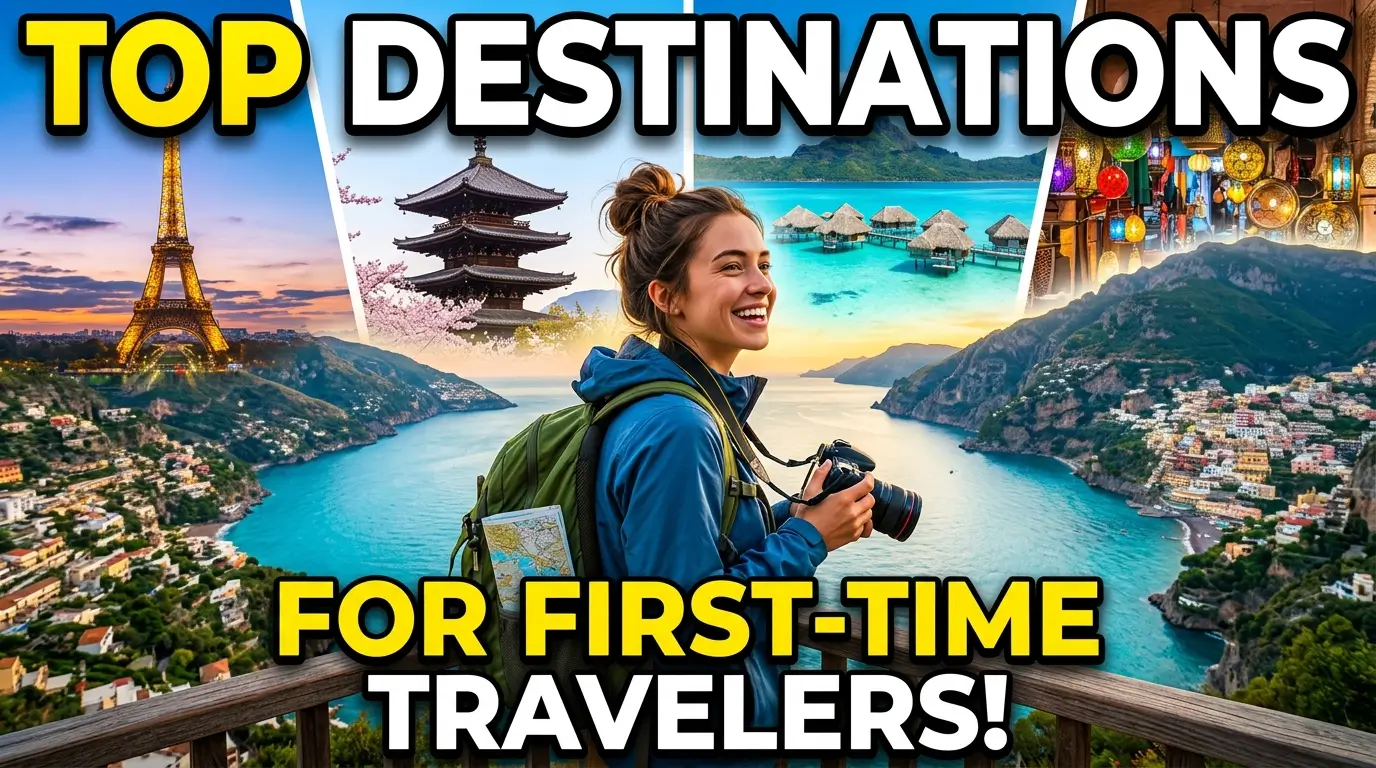
Best travel destinations for first-time travelers should feel exciting, not like a pop quiz in a foreign language. The first trip sets the tone, and if everything goes smoothly, you spend less time panicking about trains and more time staring at views like an idiot in the best possible way. I still remember how much easier my first big trip felt because the city just made sense.
What Makes the Best Travel Destinations for First-Time Travelers So Easy
When I plan a first trip for someone, I look for places where transit is obvious, neighborhoods are walkable, and you can make one mistake without the whole day falling apart. That usually means clear signs, decent English coverage, and enough things close together that you spend your trip enjoying it instead of decoding it. Confidence grows fast when the basics feel simple.
1. London, UK
London works because it behaves like a city that already expects tourists. You can land at Heathrow or Gatwick, tap in with a contactless card, and ride the Tube without needing a survival guide. Free museums like the British Museum and Tate Modern make it easy to have a full day that still feels affordable.
I also like that neighborhoods do the heavy lifting for you. Covent Garden, South Bank, and Notting Hill each feel distinct, so even a short stay gives you a real sense of place. The downside is obvious, London can get pricey fast, especially if you treat every pub lunch like an invitation.
2. Singapore
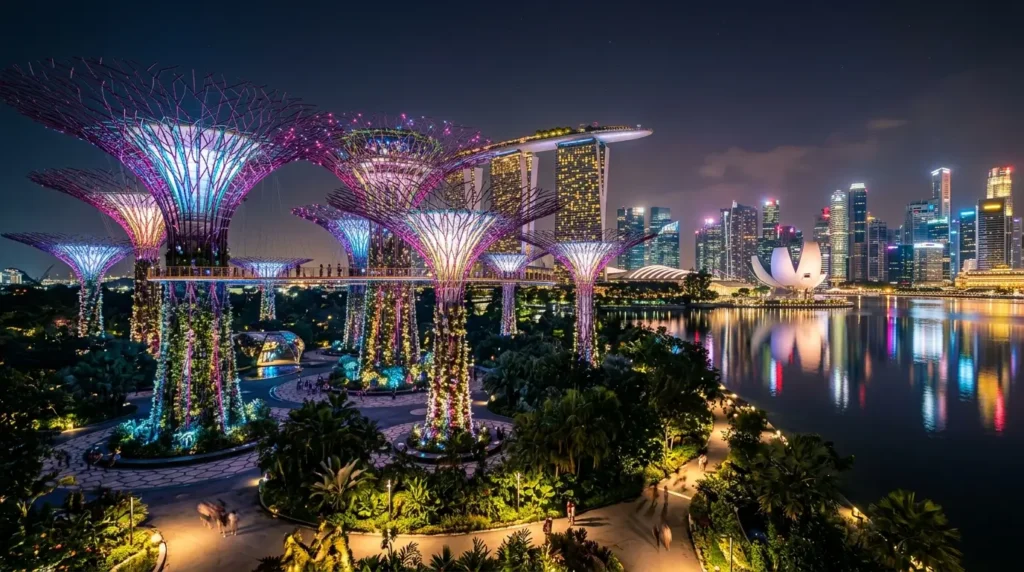
Singapore is the clean-room version of travel, and that helps first-timers relax almost immediately. The MRT is simple, signs are clear, and hawker centers like Lau Pa Sat or Maxwell Food Centre make lunch both cheap and easy.
What I love most is how small it feels once you start moving around. You can see Marina Bay, Gardens by the Bay, and Chinatown in one day without feeling rushed. The trade-off is the heat and hotel prices, which can sting if you visit during busy weekends.
3. Tokyo, Japan
Tokyo can look intimidating on a map, but in person it rewards anyone who likes systems that actually work. The train network is huge, yet the signage in major stations is so good that even my first nervous ride felt manageable.
Start in Shibuya, Asakusa, and Ueno if you want a gentle introduction. Convenience stores, vending machines, and quiet neighborhoods keep the whole trip low-stress, which is rare in a city this big. The only real downside is that you can spend too much time deciding what to eat because everything looks unfairly good.
4. Lisbon, Portugal
Lisbon feels friendly from the first tram ride. The city is compact, the views are constant, and the hills force you to slow down in a way that sounds annoying until you realize it gives the trip a calmer rhythm. A walkability score probably should not exist as a phrase, but Lisbon earned it from me anyway.
Alfama, Baixa, and Belém each give beginners a different flavor of the city without demanding complicated transit skills. The downside is those hills again, which will humble your calves by day two. Still, it remains one of the best travel destinations for first-time travelers who want charm without chaos.
5. Dublin, Ireland
Dublin is a strong first trip because it keeps the language barrier low and the city center easy to navigate. You can walk from Trinity College to Temple Bar to St. Stephen’s Green without needing more than a decent pair of shoes and a weather app. A day trip to Howth or Glendalough adds scenery fast.
I also like that the pub culture gives you a built-in plan for the evening without feeling forced. The downside is the weather, which likes to change its mind every twenty minutes, and hotel rates that can get a little unkind. If you want easy, friendly, and memorable, Dublin fits.
6. Vancouver, Canada
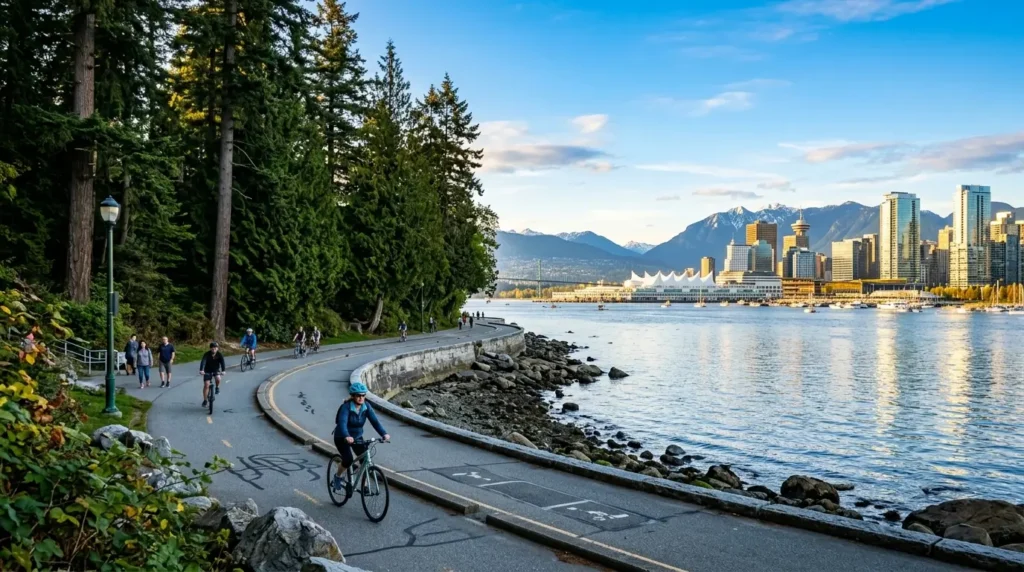
Vancouver is the kind of place that quietly wins over people who do not think they like cities. You get mountains, water, and food that is far better than it has any right to be, all wrapped in a layout that feels easy for beginners. The Seawall alone can keep you happy for a whole afternoon.
Stanley Park, Granville Island, and the waterfront give you enough to fill several days without overplanning. The trade-off is cost, especially for lodging, but the payoff is a trip that feels balanced instead of chaotic. It also gives first-time travelers a taste of nature without asking them to disappear into the wilderness.
7. Amsterdam, Netherlands
Amsterdam makes first trips feel manageable because so much of the city is built at human scale. You can walk, take trams, or hop on a bike, and the flat streets mean you are not fighting your own legs the whole time. The bike lanes are everywhere, which is charming until you step into one by accident.
Museums like the Rijksmuseum and Anne Frank House give the city depth beyond the canals. My honest warning is that crowds can be intense in peak season, so book timed entries early and keep your bag zipped. Once you get the rhythm, Amsterdam feels like one of the easiest big cities in Europe.
8. Sydney, Australia
Sydney is excellent for first-timers because it offers big-city energy without feeling overwhelming. The airport sits close to the center, the ferry system is straightforward, and you can get from the Opera House to Bondi Beach in one day with very little planning. The ferries are my favorite part, honestly.
That mix of icons and coast makes the trip feel instantly rewarding. Circular Quay, the Royal Botanic Garden, and the coastal walk to Coogee all give you easy wins. The downside is the long flight for many travelers, which means jet lag will try to bully you at the start.
9. Barcelona, Spain
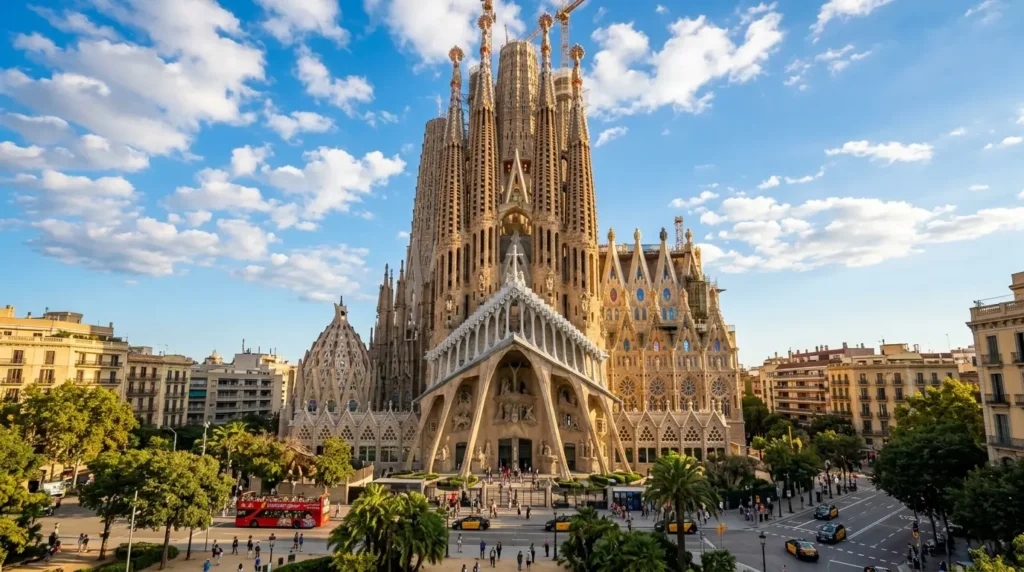
Barcelona is a great first international trip because it blends beaches, art, food, and transit in a way that never feels fussy. The metro is simple, the neighborhoods are distinct, and you can spend an entire day hopping between Gaudí buildings, cafés, and the waterfront. The metro gets you almost everywhere that matters.
La Sagrada Família, Park Güell, and the Gothic Quarter are obvious stops, but they live up to the hype. The main drawback is pickpockets in crowded areas, so keep your phone zipped away and act like you know where you are even when you do not. For a first trip abroad, Barcelona brings the fun without too much friction.
A Few Habits That Make Your First Trip Easier
I keep the best travel destinations for first-time travelers even better by planning around comfort, not bragging rights. Book a hotel near the main sights, not the cheapest bed on the edge of town. Buy a data plan or eSIM before you leave if your phone supports it. Keep the first day light, because airport fatigue makes every train station look suspicious.
- Use Google Maps offline.
- Carry one payment card plus a backup.
- Pick a city with good public transit.
- Leave one empty afternoon in the schedule.
That small amount of structure keeps the trip calm enough to enjoy.
FAQs
What are the best travel destinations for first-time travelers on a budget?
Lisbon, Dublin, and Singapore can work well depending on your flight costs and travel style. Lisbon usually gives you the best value overall, especially if you stay outside the most tourist-heavy areas. If your budget is tight, pick a city with cheap public transit and a strong casual food scene.
Should a first trip be domestic or international?
Either works, but your comfort level should decide it. A domestic trip can help you practice airports, packing, and navigating without extra language stress. If you feel ready, an easy international city like London or Singapore can be just as smooth and a lot more memorable.
How long should the first trip be?
Four to seven days usually feels right. That gives you enough time to settle in, see the main sights, and recover if one day goes sideways. Shorter trips can feel rushed, and longer first trips can become exhausting if you are still learning how you like to travel.
What should I avoid on my first trip?
Avoid packing your schedule too tightly. Too many hotel changes, too many day trips, and too many late-night arrivals can turn a fun trip into a chore. I also skip red-eye flights when possible, because arriving tired makes everything feel harder than it really is.
Are the best travel destinations for first-time travelers always big cities?
Not always, but big cities often work best because they offer strong transit, lots of hotels, and plenty of backup options if plans change. A smaller destination can be wonderful too, as long as it feels easy to navigate and you do not need a car for every little thing.
Conclusion
Your first trip does not have to be dramatic to matter. Pick a place that feels manageable, give yourself time to breathe, and let the small wins stack up. Which city would you trust for your first big trip?