
The best travel guides for gluten-free travelers abroad are the ones written by people who have actually stood in a foreign bakery trying to explain celiac disease through Google Translate while a line builds behind them. I have done exactly that, in three countries, on three separate trips, with varying degrees of success and one genuinely alarming sandwich incident in Madrid that I will not detail here. What I learned from all of it shaped how I travel now, and the world is significantly more navigable than the anxiety around it suggests.
Italy: The Country That Surprised Me Most
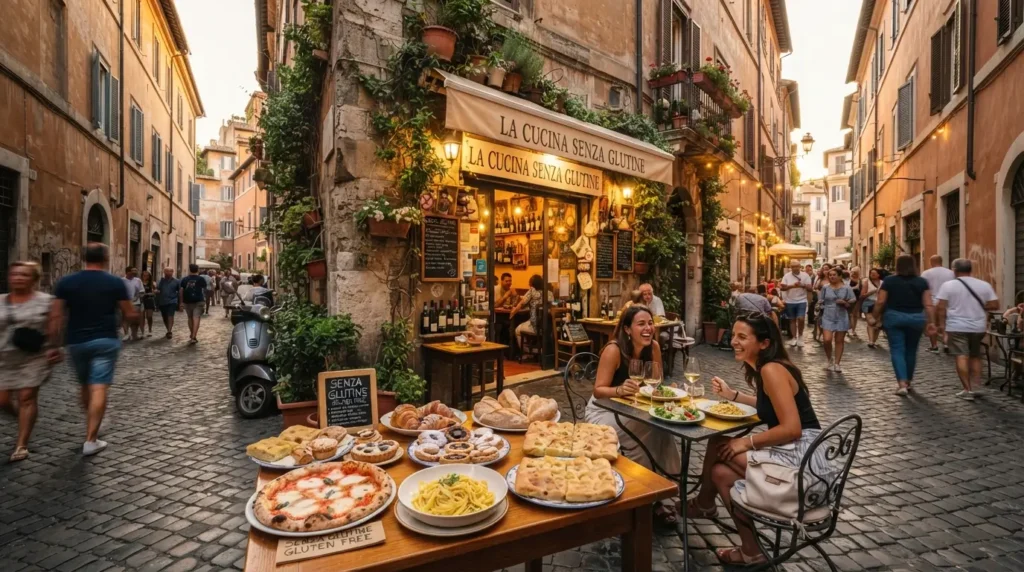
Italy sounds like the worst possible destination for gluten-free travelers. Pasta, pizza, bread with every meal, focaccia on the table before you even sit down properly. The reality is almost the complete opposite, and it is entirely because of one fact that most people do not know before they go.
Italy has the highest diagnosed celiac rate in Europe, and the Italian government responded decades ago with national health policy that made gluten-free awareness part of mainstream food culture rather than a niche dietary preference. The Italian Celiac Association, known as AIC, runs a certification program for restaurants called Alimentazione Fuori Casa, and thousands of restaurants across the country display the AIC symbol indicating trained staff and verified gluten-free protocols.
Pharmacies across Italy stock gluten-free pasta, bread, and biscuits at subsidized prices for diagnosed celiacs. Supermarkets like Esselunga and Conad carry extensive gluten-free ranges in dedicated aisles. Major cities including Rome, Florence, Milan, and Bologna have fully dedicated gluten-free bakeries and pizzerias that use separate kitchens and certified flour.
Rome specifically delivers extraordinary gluten-free experiences. Mama Eat in Trastevere operates with a completely separate gluten-free kitchen and serves proper Roman pasta dishes including cacio e pepe and carbonara made with certified gluten-free pasta that holds texture in a way that most home cooks never achieve. Il Sorpasso near Prati has an excellent gluten-free menu. Voglia di Pizza in the Prati neighborhood does a certified gluten-free pizza that rivals any standard version I have eaten.
Tourist attractions here need no introduction. The Colosseum, Vatican Museums, Borghese Gallery, and the streets of Trastevere are all as extraordinary as every photograph suggests. The difference for gluten-free travelers is that Rome lets you eat around those experiences without compromise, which changes the entire emotional quality of the trip.
Florence has Buca Mario, the oldest restaurant in the city, which maintains a gluten-free menu with proper cross-contamination protocols. Gelateria dei Neri makes most of its gelato naturally gluten-free and is transparent about which flavors contain biscuit or wafer components. The Mercato Centrale food hall has a dedicated gluten-free station.
The AIC app is the single most useful tool for gluten-free travel in Italy. Download it before you fly. It maps every certified restaurant by location, shows current certification status, and updates in real time when restaurants join or leave the program.
Japan: Meticulous Labeling in a Complex Cuisine
Japan requires more preparation than Italy for gluten-free travelers, but the reward for that preparation is access to one of the most extraordinary food cultures on earth. The challenge is structural rather than attitudinal. Japanese cuisine uses soy sauce, called shoyu, as a foundational flavoring in an enormous proportion of dishes, and traditional soy sauce contains wheat. Tamari, the wheat-free version, exists and is widely available, but it is not the automatic default.
Miso paste, another building block of Japanese cooking, sometimes contains barley. Tempura batter is wheat-based. Ramen broth frequently contains soy sauce. Udon noodles are wheat noodles. Soba noodles, made from buckwheat, sound safe but are almost always mixed with wheat flour in commercial preparations unless specifically labeled one hundred percent buckwheat.
This sounds discouraging and it genuinely requires attention. But Japanese food culture rewards precise communication in a way that few other cultures match. If you explain your dietary requirement clearly and specifically, the response is almost always serious, careful, and genuinely helpful.
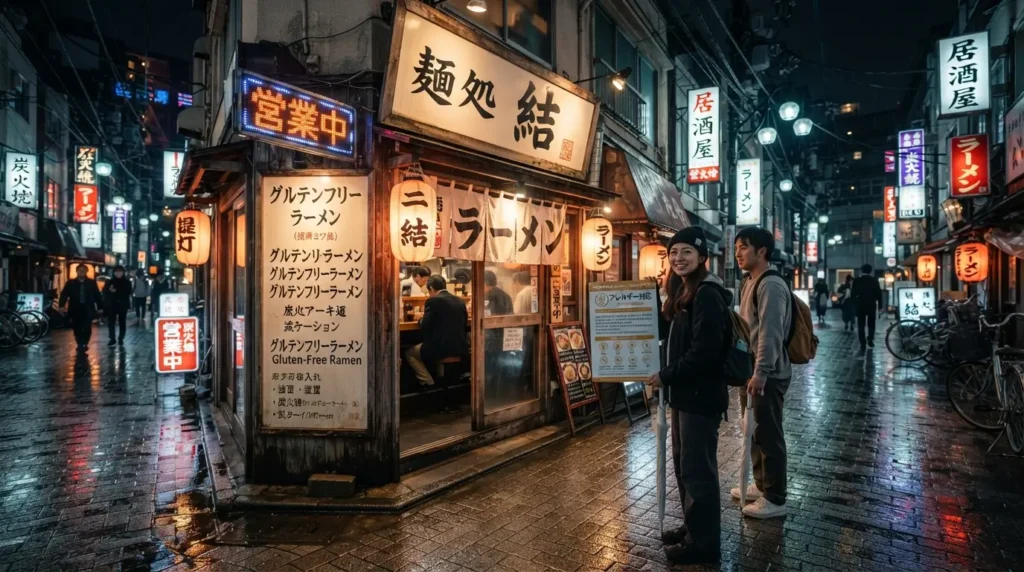
Gluten-free translation cards in Japanese are non-negotiable for this trip. The Equal Eats Japan gluten-free card is the most comprehensive option, explaining celiac disease, cross-contamination, hidden gluten sources including soy sauce and tempura, and specific questions to ask kitchen staff. Carry printed copies and a digital version on your phone.
Tokyo specifically has developed a meaningful gluten-free restaurant scene in recent years. T’s Tantan inside Tokyo Station serves fully vegan ramen made without soy sauce using a tamari-based broth and rice noodles, one of the most genuinely impressive allergy-friendly restaurant solutions I have encountered anywhere. Ain Soph Journey in Shinjuku runs a fully plant-based kitchen with clear gluten-free options. Sushi restaurants using only rice, fish, and pickled vegetables with tamari available on request are some of the safest and most rewarding dining experiences available in the city.
Convenience stores across Japan, including 7-Eleven, Lawson, and FamilyMart, carry rice-based onigiri, plain rice dishes, and packaged items with clear ingredient labeling that makes snacking manageable between meals. Rice crackers labeled without soy sauce seasoning are widely available.
Tourist experiences in Tokyo are extraordinary regardless of dietary requirements. Senso-ji temple in Asakusa, teamLab Borderless digital art museum, Shinjuku Gyoen National Garden, the observation deck at Tokyo Skytree, and the Tsukiji Outer Market fish experience all sit within a city that rewards extended exploration.
Planning Gluten-Free Eating in Japan Before You Arrive
Research specific restaurants in each neighborhood you plan to visit before leaving home. The Gluten Free Japan Facebook group has current, honest recommendations updated regularly by people living and traveling in the country. Save restaurant addresses in Japanese characters in your phone so you can show them to taxi drivers without pronunciation anxiety.
Portugal: Europe’s Most Underrated Gluten-Free Destination
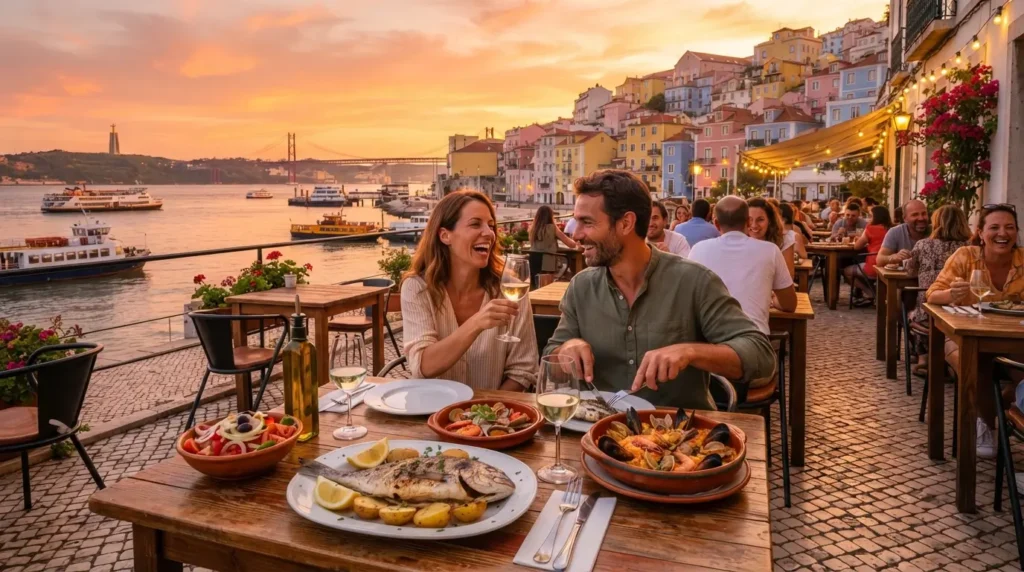
Portugal does not receive the same gluten-free travel attention as Italy, and that gap represents a genuine opportunity for travelers who do their research. Portuguese cuisine is built substantially around rice, potatoes, fish, olive oil, and fresh vegetables, which creates a naturally gluten-free foundation across a significant proportion of the national diet.
Bacalhau, salt cod, prepared in what locals claim are 365 different ways, is the national culinary obsession and almost universally gluten-free in its traditional preparations. Grilled fish with potatoes and salad, served at practically every local restaurant in the country, requires zero modification. Arroz de marisco, seafood rice, is naturally gluten-free and extraordinary. Caldo verde soup, made from potato, kale, and sometimes chouriço sausage, is gluten-free in most traditional recipes.
The complication is cross-contamination awareness, which varies more across Portugal than in Italy. Staff training around celiac specifically is improving but inconsistent outside major cities. Learning to say “Tenho doença celíaca e não posso comer glúten” which translates as “I have celiac disease and cannot eat gluten” produces significantly better results than simply saying “sem glúten,” meaning without gluten, which some staff interpret as a preference rather than a medical requirement.
Lisbon has developed a strong gluten-free restaurant scene. Boa-Bao is a pan-Asian restaurant near Príncipe Real with excellent gluten-free labeling and genuinely delicious food. Ao 26 Vegan Food Project near Chiado is fully plant-based and handles gluten-free requests with confidence. The Mercado de Campo de Ourique has multiple stalls with clear allergen information. Celeiro, a health food supermarket with multiple Lisbon locations, carries one of the best gluten-free product ranges in the city.
Porto delivers equally well. Mercado do Bom Sucesso has vendors who know their ingredients. The city’s strong bacalhau and seafood culture means safe eating is abundant once you know where to look.
Sintra day trip logistics for gluten-free travelers: pack food from a Lisbon supermarket before the train journey. The tourist-facing restaurants in Sintra village are beautiful and unreliable for cross-contamination protocols. The palaces are extraordinary. The food situation is manageable with preparation.
Thailand: Street Food Complexity and Surprising Safe Options
Thailand’s street food culture is one of the great travel experiences available anywhere, and for gluten-free travelers it requires a specific kind of navigation that differs from European destinations. The primary hidden gluten risk here is not bread or pasta. It is soy sauce used in stir-frying, oyster sauce, and occasionally wheat-based noodles that look similar to rice noodle alternatives.
The genuinely good news is that Thai cuisine uses an enormous proportion of naturally gluten-free ingredients. Rice, rice noodles, coconut milk, fresh herbs, lemongrass, galangal, fish sauce which is wheat-free in most Thai brands, lime, and fresh vegetables form the backbone of the cuisine. Many dishes are naturally gluten-free with zero modification when ordered without soy sauce.
Key phrase for Thailand: “Mai sai see ew” means no soy sauce. “Pae gluten” is not universally understood but is increasingly recognized in tourist areas and Bangkok’s international restaurant scene. The Equal Eats Thailand card covers all hidden sources in Thai cooking and is the most reliable communication tool available.
Bangkok specifically has developed remarkable gluten-free resources. Gluten Free Thailand restaurant in the Sukhumvit area operates with dedicated preparation and a menu built entirely around certified gluten-free ingredients. The Broccoli Revolution plant-based restaurant labels allergens clearly. Many upscale Bangkok hotels have celiac-trained kitchen staff, particularly in tourist-heavy Sukhumvit and Silom areas.
Chiang Mai offers a smaller but genuinely functional gluten-free scene. Free Bird Café labels allergens consistently. The Pun Pun vegetarian restaurant uses simple, transparent ingredients. The Sunday Walking Street market has fresh fruit, roasted corn, and rice-based snacks that are naturally safe.
Tourist experiences across Thailand are extraordinary. Bangkok’s temples including Wat Phra Kaew and Wat Pho, the floating markets, Chiang Mai’s Doi Suthep, and the northern hill tribe villages all sit within a country that rewards extended travel regardless of dietary requirements.
Spain: Improving Fast but Requires Attention
Spain presents a more nuanced picture for gluten-free travelers than Italy or Portugal. The national celiac organization FACE, Federación de Asociaciones de Celíacos de España, runs a restaurant certification program similar to Italy’s AIC system, and awareness has improved substantially across major cities in the past five years. But consistency outside certified establishments and outside Madrid and Barcelona specifically requires careful navigation.
Madrid has an exceptional gluten-free infrastructure for a city its size. El Vergel restaurant near Retiro Park has maintained a dedicated gluten-free menu for years and handles celiac with genuine seriousness. Honest Greens in multiple Madrid locations labels allergens clearly across its entire menu. Celicioso, a dedicated gluten-free bakery with several Madrid locations, produces croissants, cakes, and bread that are certified gluten-free and genuinely excellent. Waking up to a proper breakfast pastry in a city where breakfast culture is serious is not a minor thing for celiac travelers who usually skip the bread basket entirely.
Barcelona has equally strong options. Llesca Gluten Free bakery produces outstanding bread and pastries. Frida restaurant in the Eixample district handles gluten-free requests with trained staff and clear menu labeling. La Pepita bakery near Gràcia has dedicated gluten-free baking days worth timing your visit around.
The watch points in Spain: Croquetas are wheat-based and everywhere. Pan con tomate, bread rubbed with tomato and olive oil, is a staple you will need to decline. Churros are wheat-based. Tortilla española, the egg and potato omelet, is naturally gluten-free and available at almost every café in the country. It becomes your reliable fallback and genuinely never gets boring.
FACE certified restaurants are searchable through their website and app before you visit any Spanish city. This should be the first research step for any celiac traveler planning a Spanish trip.
Ireland: English-Language Ease and Strong Celiac Awareness
Ireland has one of the highest rates of celiac disease diagnosis in the world, a genetic legacy that has pushed the Irish food industry toward unusually strong gluten-free awareness. Walking into a restaurant in Dublin and asking about gluten-free options produces a more informed and natural response than in most European countries, partly because the staff have almost certainly had this conversation hundreds of times before.
Supermarkets across Ireland, including Tesco, Dunnes Stores, and SuperValu, carry extensive dedicated gluten-free ranges that dwarf what you find in most comparable European countries. Finding gluten-free bread, pasta, crackers, and baking supplies for self-catering is genuinely easy.
Dublin restaurant highlights: Suesey Street in the Georgian Quarter handles celiac with exceptional care and produces a genuinely creative menu with clear gluten-free options. The Woolen Mills on the Liffey has a dedicated gluten-free menu section. Cornucopia vegetarian restaurant on Wicklow Street labels allergens consistently across its daily changing menu. The English Market in Cork, for travelers extending beyond Dublin, has vendors who know their ingredients and a food culture that rewards asking questions.
Tourist attractions pair beautifully with practical food logistics here. Trinity College and the Book of Kells, the Guinness Storehouse where gluten-free beer information is available for celiac visitors, the National Museum, and day trips to the Cliffs of Moher and the Ring of Kerry all sit within a country where the language barrier is nonexistent and the celiac conversation is well-practiced.
Guinness is not gluten-free, which surprises some travelers. It is brewed from barley and retains gluten. O’Hara’s Irish Pale Ale and Bards Gold are two widely available gluten-free Irish beers worth knowing before your first pub visit.
Mexico: Rice, Corn, and Natural Gluten-Free Abundance
Mexico is one of the most naturally gluten-free cuisines on earth, built on a corn and rice foundation that predates wheat-based cooking by thousands of years. Corn tortillas, tamales, rice dishes, bean preparations, fresh salsas, guacamole, and most traditional Mexican proteins are naturally gluten-free with zero modification required.
The complication is cross-contamination in kitchens that also handle flour tortillas, and the occasional use of soy sauce or wheat-based thickeners in non-traditional or fusion preparations. Traditional regional Mexican cooking carries significantly lower cross-contamination risk than Tex-Mex influenced restaurants or tourist-facing establishments trying to produce internationally familiar food.
Mexico City specifically has developed a strong allergy-aware dining culture in its internationally oriented neighborhoods. Roma Norte and Condesa have restaurants with clear allergen labeling increasingly standard across their menus. Mercado de Medellín has vendors selling fresh produce, cheese, and prepared corn-based foods that are naturally safe. Taquerías serving only corn tortillas represent some of the most reliably gluten-free eating available anywhere in the world.
Oaxaca deserves a specific mention for gluten-free travelers interested in regional Mexican cuisine. The Oaxacan food culture is built around tlayudas, large corn tortillas topped with beans, cheese, and meat or vegetables, mole sauces, mezcal, and chocolate. Almost none of this contains gluten in traditional preparation. The Mercado Benito Juárez and Mercado 20 de Noviembre in Oaxaca City offer some of the most extraordinary naturally gluten-free eating available anywhere on earth.
The watch point: Mole negro, the most complex of Oaxaca’s mole varieties, traditionally uses a small amount of wheat in some recipes. Ask specifically and most vendors will tell you clearly whether their version is wheat-free.
Australia: World-Class Gluten-Free Infrastructure
Australia sits alongside Ireland and Italy as one of the most practically gluten-free friendly countries in the world. The high celiac diagnosis rate, strong food labeling legislation under Food Standards Australia New Zealand, and a café culture that has embraced dietary diversity make navigating a gluten-free trip here significantly easier than most other international destinations.
Gluten-free labeling in Australian supermarkets is mandatory and reliable. The Coeliac Australia not-for-profit organization maintains a gluten-free accreditation program for food products and a restaurant directory updated regularly. Their app is the Australian equivalent of Italy’s AIC tool and should be downloaded before any visit.
Sydney highlights for gluten-free travelers: Bourke Street Bakery has dedicated gluten-free options at several of its locations, including a genuinely good gluten-free sourdough that most bakeries with mainstream traffic simply cannot match. Bills restaurant in Darlinghurst handles celiac requests with practiced confidence and flexibility. The Grounds of Alexandria has clear allergen labeling across its extensive menu. Gluten-free brunch in Sydney is so well-catered that it barely requires planning beyond knowing which suburbs have the best café density.
Melbourne arguably edges ahead of Sydney for pure gluten-free café culture. Fitzroy, Collingwood, and Brunswick neighborhoods have a concentration of independently owned cafés with rotating gluten-free menus that reflect genuine creative investment rather than checkbox compliance. Elk Espresso, Auction Rooms, and Proud Mary all handle celiac with fluency.
Tourist attractions across both cities, the Sydney Opera House, Bondi Beach, the Royal Botanic Gardens, Melbourne’s laneways, the Great Ocean Road, and Uluru for visitors extending into the interior, all sit within a country where gluten-free eating is treated as a legitimate standard rather than an awkward exception.
How to Prepare for Any Gluten-Free Trip Abroad
Preparation quality determines the difference between a gluten-free trip that feels effortless and one that feels like a constant negotiation. The destinations matter but the toolkit you bring to them matters just as much.
A non-negotiable list for every gluten-free trip:
- Equal Eats translation cards in the local language covering celiac disease, cross-contamination, and specific hidden gluten sources for that cuisine. Professional translation beats Google Translate for medical dietary needs every time.
- Find Me Gluten Free app downloaded and searched for your destination cities before departure. The reviews are current, honest, and written by celiac travelers rather than general food reviewers.
- Coeliac UK travel information sheets for European destinations covering local celiac organizations, key phrases, and country-specific hidden gluten risks. Available free from their website.
- Research the local celiac association for every country you visit. Most have restaurant directories, product guides, and sometimes English-language resources specifically for traveling celiacs.
- Book accommodation with a kitchen for at least part of every trip. Self-catering control removes the daily anxiety of restaurant dependence.
- Carry a small supply of familiar gluten-free snacks for travel days, arrival days, and any moment when safe food is not immediately available.
Calling restaurants in advance before a dinner reservation produces better outcomes than arriving and explaining at the table. Give them 24 to 48 hours to prepare, check their protocols, and designate a staff member who understands the requirement. The restaurants that handle this call well are the restaurants worth giving your business.
Frequently Asked Questions
Which country is genuinely the safest for gluten-free travelers with celiac disease?
Italy is the most consistently cited answer among celiac travelers for good reason. The combination of national health policy, widespread AIC restaurant certification, pharmacy access to gluten-free staples, and deep cultural familiarity with celiac disease creates the most reliable environment for safe eating. Ireland and Australia follow closely and benefit from English language ease on top of strong celiac infrastructure.
How do I find gluten-free restaurants in countries where I do not speak the language?
Find Me Gluten Free app covers most major travel destinations globally and filters specifically for celiac-safe versus gluten-free preference options. HappyCow helps for plant-based restaurants that often maintain clearer allergen protocols. Local Facebook groups for celiac travelers in specific countries carry the most current and honest real-world recommendations. Download everything offline before you travel.
Are there destinations gluten-free travelers should genuinely avoid?
No destination is completely off-limits with sufficient preparation, but some require significantly more effort. Countries where wheat is deeply embedded in nearly every dish and where cross-contamination awareness is low in the food service industry require more careful navigation. Central and Eastern European cuisines built heavily around bread, dumplings, and wheat-thickened sauces need thorough restaurant research rather than casual dining. This does not mean avoid them, it means prepare more thoroughly.
What do I do if I accidentally eat gluten abroad?
Know the local emergency services number and the location of the nearest hospital or clinic before you need them. Carry any medications your doctor has prescribed for acute celiac reactions in your carry-on with a prescription letter. Rest, hydrate, and prioritize safe simple foods like plain rice and fruit while symptoms resolve. Alert your travel insurance provider if medical attention becomes necessary. Most celiac reactions, while genuinely unpleasant, resolve without emergency intervention.
Should I carry a doctor’s letter explaining my celiac disease when traveling?
Yes, particularly for countries where celiac disease is less culturally familiar. A letter on medical letterhead explaining the diagnosis, the medical necessity of strict gluten avoidance, and the cross-contamination requirement gives the requirement immediate credibility in restaurant and healthcare settings. Some countries also require documentation for importing prescription medications, so if you carry any celiac-related medication, include those details in the letter.
How do I handle gluten-free eating on long-haul flights?
Contact the airline at least 72 hours before departure to request a gluten-free meal. Most major international airlines offer this option but it requires advance notice. Verify the request 24 hours before flying because it occasionally gets missed. Always carry enough of your own gluten-free food for the entire flight duration as backup, because airline gluten-free meals vary dramatically in both quality and actual cross-contamination safety depending on the carrier.
Conclusion
Celiac disease or gluten intolerance does not have to shrink your travel world. Every destination in this guide proves that extraordinary food experiences are available to gluten-free travelers who arrive prepared, communicate clearly, and know which tools to use before and during the trip. The world is more accommodating than the diagnosis makes it feel at first. Which destination feels most manageable for your next trip abroad?