

Beginner-friendly travel guides for tight budget backpackers are harder to find than they should be, mostly because the people writing them forgot what it actually felt like to count coins in a foreign hostel bathroom at midnight. I have been that person. I have spreadsheet-tracked every meal in Vietnam, slept in a six-bed dorm next to a snoring stranger in Budapest, and eaten gas station sandwiches in Portugal because the math simply did not work any other way. What I learned from all of it is worth more than any polished travel guide will ever tell you.
1. Southeast Asia on Under $35 a Day
Southeast Asia remains the gold standard entry point for tight budget backpackers, and it earns that reputation every single time. The combination of cheap accommodation, extraordinary street food, low-cost transport, and genuinely world-class natural and cultural attractions creates a travel environment where your money stretches in ways that feel almost implausible the first time you experience them.
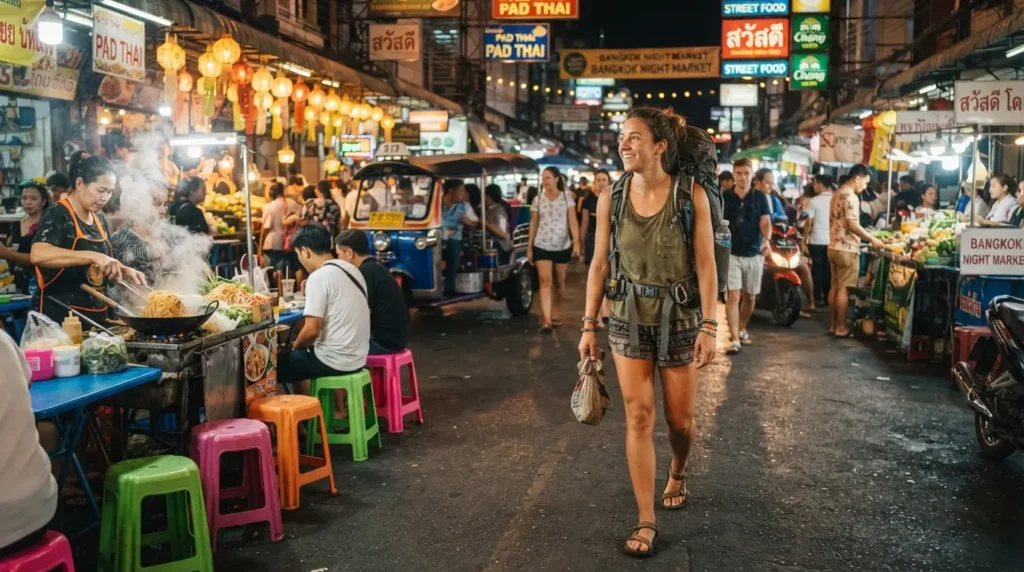
Where to start: Bangkok is the most logical entry point. Flights connect there from almost everywhere, the airport transit is straightforward, and the city gives you an immediate crash course in navigating a busy, affordable destination without being thrown into the deep end alone.
Accommodation: Khao San Road hostels start at $5 to $8 per night for dorm beds. Private rooms in well-reviewed guesthouses run $12 to $18. Hostelworld and Booking.com both have solid filters for budget options with verified reviews. Always check the Wi-Fi speed rating before booking because slow internet compounds every other frustration.
Food: This is where Southeast Asia genuinely changes how you think about travel budgets. A bowl of pad thai from a street cart costs $1.50. A full meal at a local restaurant runs $2 to $4. The rule I use is simple: if the menu has photographs and English translations on a laminated card outside, it costs twice as much as the place next door with a handwritten Thai sign and plastic stools. Eat at the plastic stool place.
Transport between countries: The overland routes through Thailand, Laos, Cambodia, and Vietnam are well-established and backpacker-friendly. 12Go Asia aggregates bus, boat, and train options with clear pricing and booking in English. A bus from Bangkok to Chiang Mai costs around $8 to $12. The sleeper train on the same route costs $15 to $20 and handles the overnight travel problem while saving you a night of accommodation.
The honest trade-off: Southeast Asia during peak season from November through February is busy in ways that can surprise first-timers. Popular spots like Koh Phi Phi and Angkor Wat feel genuinely overwhelming at midday. Go early, stay late, and visit the most famous sites at the edges of the day.
2. Eastern Europe on a Shoestring
Eastern Europe is the budget backpacker’s version of Western Europe, and I mean that as the highest possible compliment. You get medieval architecture, extraordinary food, rich history, and genuinely warm people, all at a fraction of what Paris or Amsterdam would cost for the same quality of experience.
The core route: Krakow to Budapest via Prague or Vienna covers a remarkable amount of ground and connects easily by overnight buses and trains. This route has been a backpacker staple for decades because it works, the infrastructure is solid, the hostels are excellent, and the daily costs stay genuinely low.
Krakow, Poland: One of the most underrated cities in Europe. The main market square is the largest medieval square on the continent and entirely free to sit in for as long as you like. Pierogi cost $3 to $5 for a full plate. A dorm bed in a well-reviewed central hostel runs $8 to $12. The day trip to Auschwitz-Birkenau is free to enter and one of the most important things you can do as a traveler anywhere in the world. Book the guided tour in advance.
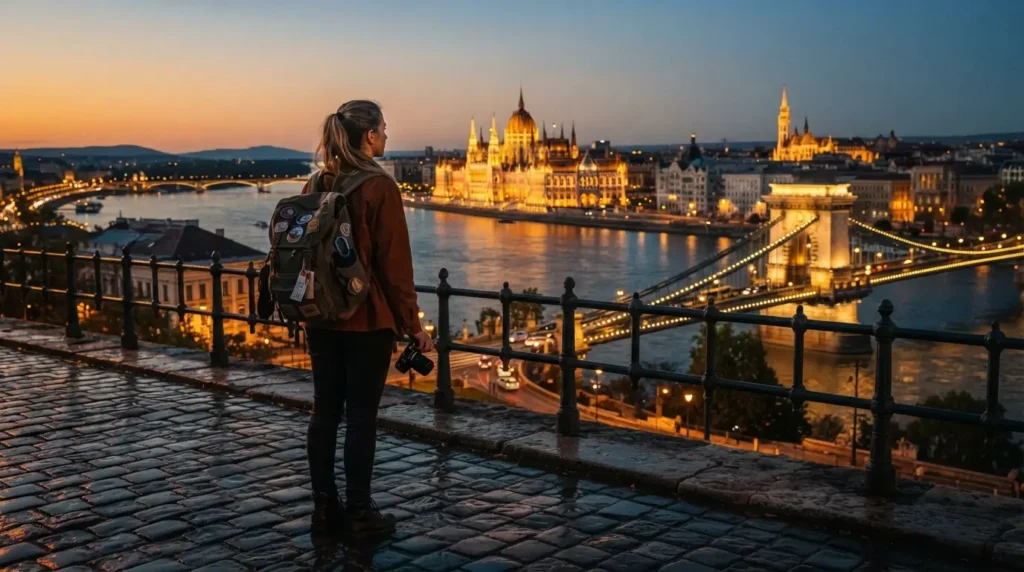
Budapest, Hungary: The ruin bars alone justify the trip. Szimpla Kert, the original and most famous, sits inside a crumbling former factory filled with mismatched furniture, plants growing through walls, and a crowd that ranges from curious tourists to local regulars. A beer costs $2 to $3. Thermal baths at Széchenyi run $20 for the full experience. Dorm beds average $10 to $15. The Chain Bridge and Parliament Building lit up at night, seen from the Buda Castle district across the river, cost nothing and look extraordinary.
Prague, Czech Republic: The city center is genuinely beautiful and genuinely crowded. Go early to Charles Bridge, before 8 a.m. if possible, and you will have it nearly to yourself. A pint of Czech lager in a local pub costs $1.50 to $2. Stay in Žižkov or Vinohrady neighborhoods where hostels are cheaper and the atmosphere is more local. Dorm beds run $10 to $14.
Budget reality for the full route: Three weeks through Eastern Europe covering Poland, Czech Republic, Hungary, and potentially Slovakia or Slovenia can be done for $1,200 to $1,600 total including all transport, accommodation, food, and activities if you travel by overnight bus between major stops and eat at local spots consistently.
3. Portugal End to End
Portugal is the budget backpacker destination that keeps surprising people with how much it delivers for how little it costs. The country is small enough that a full north-to-south journey feels genuinely achievable in two to three weeks, and the variety between regions is substantial enough that it never gets repetitive.
Porto to Lagos route: Start in Porto in the north, work down through Coimbra and Lisbon, then continue south through the Alentejo region to the Algarve coast. Each stop has distinct character and the transport connections between them are affordable and reliable.
Porto: Already covered in earlier sections but worth emphasizing for budget travelers specifically. The Francesinha sandwich, a Porto specialty involving bread, meat, melted cheese, and a tomato-beer sauce, costs $8 to $12 at a local café and constitutes a full meal for most people. Dorm beds in the Ribeira district run $14 to $18.
Lisbon: The Mercado de Campo de Ourique is a local food market away from the tourist circuit where lunch costs $5 to $8 at any of a dozen counters. The free miradouros, viewpoint terraces scattered across the city, provide some of the best city views in Europe at zero cost. A 24-hour metro and bus pass costs $6.80.
Algarve coast: Lagos, Sagres, and Albufeira all have budget hostels starting at $15 to $20 for dorms. The sea caves at Ponta da Piedade near Lagos are accessible by kayak tour for $25 to $30 or free if you hike the cliff path above and look down. The beaches here rival anything in the Mediterranean and the Atlantic water keeps the summer crowds slightly more manageable than the Italian or Greek equivalents.
Budget reality: Two weeks through Portugal end to end costs $900 to $1,300 total if you use regional trains and buses, eat at local restaurants rather than tourist-facing spots, and book hostels in advance during summer months.
4. India for First-Time Budget Travelers
India is a country that budget backpackers either fall deeply in love with or find completely overwhelming, and both reactions are completely understandable. I have experienced both on the same trip. What I can tell you is that India rewards preparation more than almost any other destination on earth, and the rewards for that preparation are extraordinary.
Where to start: Rajasthan is the most beginner-friendly region for first-time India travelers. The Golden Triangle of Delhi, Agra, and Jaipur connects easily by train and covers enough iconic ground to feel like you genuinely experienced the country without needing to navigate more complex regional logistics.
Delhi: Overwhelming, extraordinary, and best approached with zero agenda on day one. Walk Lodi Garden in the morning, visit Humayun’s Tomb before the Taj Mahal so you understand Mughal architecture in context, and eat at Karim’s in Old Delhi where the mutton korma has been made the same way since 1913. Dorm beds in Paharganj backpacker area start at $4 to $7.
Agra: The Taj Mahal at sunrise with a valid entry ticket booked online costs $13 for foreign visitors. Go on your second morning there, after you have slept and adjusted, rather than rushing straight from the train. The experience lands differently when you are not exhausted.
Jaipur: The Pink City is vivid, loud, and full of extraordinary architecture. Amber Fort, City Palace, and Jantar Mantar astronomical observatory cover a full two days easily. Guesthouse rooms in the old city run $8 to $15.
Train travel in India: Book through the IRCTC website or app as far in advance as possible. Sleeper class on overnight trains is the budget option at $3 to $8 per journey. AC 3-tier is more comfortable and still affordable at $8 to $20. The trains are an experience in themselves and connect every major city efficiently.
The honest truth: India requires patience that no guide can fully prepare you for. Touts, noise, heat, and the sheer density of everything will test you. The payoff is a travel experience that changes how you see the world more permanently than almost any other destination. Go with low expectations for comfort and high expectations for everything else.
5. Central America Loop
Central America offers a backpacker circuit that combines volcano hikes, Caribbean beaches, Mayan ruins, cloud forests, and colonial cities at daily costs that compete directly with Southeast Asia. The loop from Guatemala through Belize, Honduras, Nicaragua, and Costa Rica is well-established and the infrastructure for budget travelers is solid throughout.
Guatemala starting point: Antigua is one of the most charming colonial cities in the Americas, framed by three volcanoes and filled with language schools, cheap hostels, and excellent coffee from the surrounding highlands. A Spanish language school here costs $150 to $200 per week including 20 hours of one-on-one instruction and a homestay with meals. It is one of the best value learning experiences available to travelers anywhere.
Climbing Acatenango volcano: A two-day guided trek staying overnight on the volcano costs $30 to $45 through local operators. You camp at 3,700 meters altitude and watch Volcán de Fuego erupt through the night. It is cold, exhausting, and one of the most extraordinary things I have experienced on any trip anywhere.
Lake Atitlán: Three hours from Antigua by shuttle bus and an entirely different world. The lake sits in a volcanic caldera surrounded by Mayan villages accessible only by boat. San Marcos La Laguna is the quieter, more spiritual village. San Pedro La Laguna is the social backpacker hub. Accommodation in both runs $8 to $15 per night.
Nicaragua: The most affordable country in Central America and one of the most overlooked. León has extraordinary colonial architecture and some of the best street food in the region. Volcano boarding down Cerro Negro costs $25 through local operators and involves sliding down an active volcano on a wooden board at speeds that will make you question your decision-making right up until you reach the bottom and immediately want to go again.
Costa Rica reality check: Costa Rica is significantly more expensive than the rest of the region, with hostel dorms starting at $15 to $25 and meals running $6 to $12 at budget spots. Budget for it separately and do not be surprised. The biodiversity and national park system justify the cost if nature is your reason for being there.
Budget reality: Six weeks through Central America costs $2,000 to $2,800 total including flights into Guatemala City and out of San José, all accommodation, transport, food, and activities. Nicaragua and Guatemala bring costs down significantly. Costa Rica pushes them back up.
6. Morocco on $30 a Day
Morocco rewards budget travelers who do minimal advance research and punishes those who do none. The country is extraordinary, affordable, and unlike anywhere else you will travel, but it operates on its own social and commercial logic that first-timers need at least a basic understanding of before arrival.
Marrakech entry point: Most international flights land in Marrakech. The medina, the ancient walled city, is where you want to stay. Riads, traditional guesthouses built around interior courtyards, start at $15 to $25 per night for private rooms and represent some of the best budget accommodation value in the world for sheer atmosphere.
Navigating the souks: The medina’s market streets are deliberately labyrinthine because that disorientation historically kept shoppers inside longer. Accept getting lost as part of the experience rather than a problem to solve. A physical map downloaded offline helps more than GPS in the narrow covered alleys where signal disappears.
Bargaining: Everything in the souks has a negotiable price. Start at roughly 40 percent of the first number offered and work from there. Never agree to the first price. Never feel guilty about negotiating. It is expected, respected, and part of the commercial culture. Leaving without buying after extended negotiation is considered impolite, so do not start negotiating for something you genuinely do not want.
Food costs: A bowl of harira soup from a market stall costs 50 cents. A full tagine at a sit-down restaurant in the medina runs $4 to $8. Jemaa el-Fnaa square food stalls at night offer enormous variety at tourist-adjusted prices, still reasonable at $4 to $7 for a full meal.
Fes: More complex and more rewarding than Marrakech for travelers who want to go deeper. The Fes el-Bali medina is the largest car-free urban area in the world and genuinely requires a guide for the first day. Hire one through your riad rather than from the street. The tanneries, madrasas, and ancient university district here are among the most visually striking environments in the world.
Budget reality: Morocco on $25 to $35 per day is entirely achievable covering accommodation, food, local transport, and entry fees. The train between Marrakech and Fes costs $15 to $20 and takes about eight hours with beautiful desert scenery throughout.
7. Backpacking New Zealand on a Budget
New Zealand is not a cheap destination by Southeast Asian or Eastern European standards, but it has a backpacker infrastructure so well-developed that tight-budget travel here is genuinely achievable if you approach it correctly. The country built its tourism economy partly around the backpacker market, and that legacy shows in the quality and affordability of its hostel network.
YHA New Zealand: The Youth Hostel Association network in New Zealand is one of the best in the world. Member prices for dorm beds run $25 to $35 per night in well-maintained, centrally located hostels across both islands. An annual membership costs $30 and pays for itself quickly. Base Backpackers is another solid chain with hostels in key destinations.
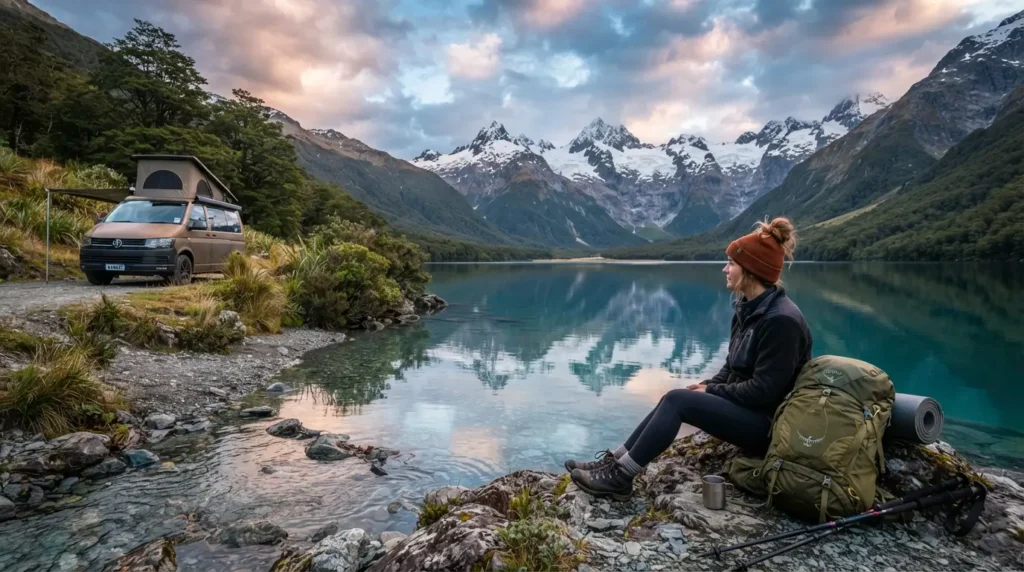
The freedom camping option: New Zealand allows freedom camping in self-contained vehicles at designated sites across the country, many of which are free. Renting a campervan through Jucy or Spaceships starts at $60 to $80 per day for a two-person van, which covers both accommodation and transport costs simultaneously. For trips longer than two weeks, this often works out cheaper than separate hostel and bus costs.
InterCity bus pass: For backpackers without a campervan, InterCity’s Flexipass covers bus travel between destinations across both islands. Prices depend on hours purchased but provide genuine flexibility without locking you into fixed dates.
South Island highlights on a budget: The Tongariro Alpine Crossing is one of the best free day hikes in the world, though shuttle transport to the trailhead costs $25 to $35. Milford Sound scenic cruises start at $65 for a two-hour trip. Freedom camping spots around Lake Tekapo and the Mackenzie Basin provide some of the darkest skies and best stargazing on earth at zero cost.
Budget reality: New Zealand backpacking costs $70 to $100 per day covering accommodation, food, transport, and activities. Three weeks on both islands runs $1,500 to $2,100 on the ground, more than Southeast Asia but less than Australia, and the landscape delivers at every turn.
Essential Gear for Tight Budget Backpackers
Getting the gear right before your first trip saves money and misery in almost equal measure. You do not need expensive equipment. You need the right equipment.
A few things that genuinely matter:
- A 40 to 50 liter backpack that fits airline carry-on restrictions. Osprey Farpoint 40 and the Deuter Futura 44 are both excellent and durable enough to last years of heavy use. Checking a bag costs money on budget airlines and creates luggage claim stress at every arrival.
- A universal power adapter with USB ports built in. One unit covers every destination on this list.
- A microfiber travel towel because hostels often charge $2 to $3 for towel hire that adds up over weeks.
- A padlock for hostel lockers. Many provide lockers but not locks.
- A dry bag or waterproof cover for your pack. One afternoon of rain without it ruins electronics and documents simultaneously.
- A money belt worn under clothing for passport and emergency cash in high-theft environments.
Clothes should follow the one week rule: pack enough for seven days maximum and plan to do laundry. Most hostels have washing machines for $2 to $4 per load. Packing light is the single biggest quality-of-life improvement available to budget backpackers.
How to Manage Money as a Tight Budget Backpacker
Money management on the road separates comfortable budget travel from genuinely stressful budget travel. The mechanics matter as much as the destination budget.
Wise or Revolut cards give you interbank exchange rates with no foreign transaction fees. Load them before you leave and use them as your primary spending card everywhere cards are accepted. Keep one Visa and one Mastercard because acceptance varies by country.
Cash management: Always have local cash on arrival. ATMs in airports charge higher fees but are safe and reliable. Withdraw larger amounts less frequently to minimize per-transaction fees. Keep emergency cash of $100 to $200 in U.S. dollars or euros in your money belt separate from your daily spending wallet.
The daily budget tracking habit: I use a simple note on my phone to track every expense in real time for the first week of any trip. It feels tedious and it is also the single most effective way to understand where your budget is actually going versus where you think it is going. By week two the habits are set and the tracking becomes less necessary.
Booking in advance versus staying flexible: For accommodation, book two to three nights in advance in high-season destinations and stay flexible in shoulder season. For transport, book point-to-point tickets one to three days ahead in most of Southeast Asia and Eastern Europe. For India trains, book as far ahead as possible because popular routes sell out weeks in advance.
The Budget Mindset That Actually Works
Every tight budget backpacker eventually learns that the goal is not to spend as little as possible. The goal is to spend wisely enough that you can stay longer. A $3 upgrade to a private room on a night when you genuinely need rest is worth more than the money saved. A $25 cooking class that teaches you a skill and fills a morning with genuine experience beats three days of aimless wandering trying to kill time cheaply.
Slow travel saves money more reliably than any other single strategy. Moving between destinations costs transport money, costs time, and costs the mental energy of constant reorientation. Staying somewhere for a week instead of two days means you find the cheap local café, the market with the best produce, and the free viewpoint that no tour group visits. Those discoveries only happen when you stay long enough to make them.
Frequently Asked Questions
What is the best destination for first-time tight budget backpackers?
Southeast Asia, specifically Thailand as a starting point, consistently delivers the best combination of affordability, ease of navigation, and reward for first-time backpackers. The infrastructure for budget travel is so well developed that most logistical problems have already been solved by the millions of travelers who came before you. Vietnam and Cambodia work well as follow-on destinations once you have the basic rhythms down.
How much money do I need to start backpacking?
A realistic starting budget for a three-month backpacking trip through Southeast Asia is $3,500 to $5,000 including flights. Eastern Europe for the same duration runs $4,000 to $6,000. These figures cover accommodation, food, transport, activities, travel insurance, and a reasonable emergency buffer. Going significantly under these numbers is possible but creates stress that erodes the experience.
Is travel insurance necessary for budget backpackers?
Absolutely yes, without any qualification. World Nomads and SafetyWing both offer policies built for long-term budget travelers at $40 to $60 per month. A single hospital visit or emergency flight home without insurance can cost more than the entire trip budget. This is the one area where cutting costs creates genuine financial risk.
How do I meet other travelers as a solo backpacker?
Hostels with common areas and organized events are the most reliable way. Free walking tours in every major city attract solo travelers and provide natural conversation starters. Apps like Couchsurfing Hangouts and Meetup connect you with both locals and travelers. The backpacker trail through popular routes means you often encounter the same people repeatedly across multiple cities, which builds friendships faster than you expect.
What are the biggest mistakes first-time budget backpackers make?
Overpacking is the most universal one. The second is under-researching visa requirements and discovering problems at the airport. The third is not carrying any emergency cash. The fourth is booking every night of a long trip in advance and leaving no flexibility for the places you want to stay longer. The fifth is underestimating jet lag on the first two days and planning a packed schedule that exhausts rather than excites.
Can I backpack on a tight budget without staying in dorm rooms?
Yes. Private rooms in budget guesthouses across Southeast Asia, Eastern Europe, and Morocco cost $10 to $25 per night and provide genuine privacy without breaking a reasonable daily budget. Dorm beds are cheaper but private rooms become worth the extra $5 to $10 when you need proper sleep before a long travel day or simply need an afternoon of genuine solitude.
Conclusion
Budget backpacking is not about suffering through bad beds and questionable sandwiches in the name of saving money. It is about choosing experiences over comfort theater, slow travel over rushed checklists, and the kind of genuine encounters with places and people that only happen when you are not insulated by five-star everything. Every destination on this list taught me something I could not have learned any other way. Which one feels like your starting point?